
Big Toe Energy
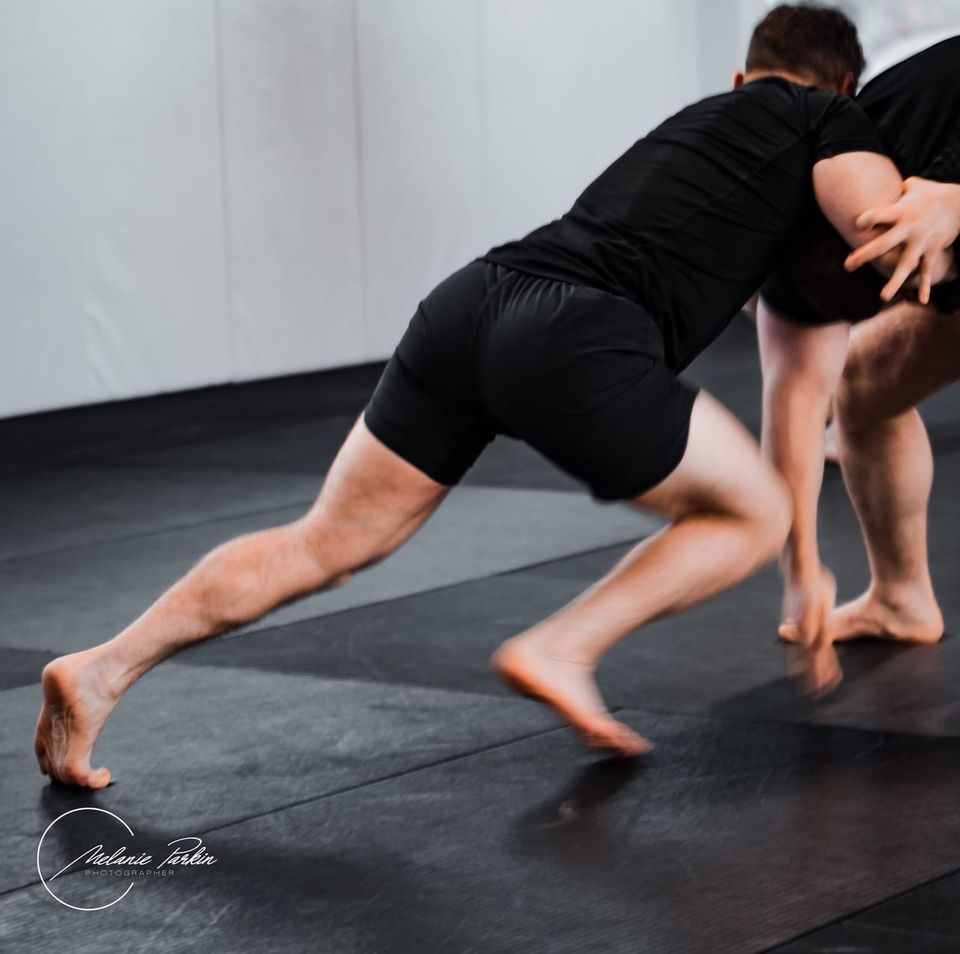
OK, let’s get all the jokes out of the way. We’re gonna talk about feet this week.
Nah, we’re not here to yuck anyone’s yum. But that’s not what this newsletter is about.
A while ago, a loyal G&B reader - and friend! - forwarded me an email.
The subject line said “your feet need load too.” I feel slightly bad about my response now, cos I said “talk to [your trainer], but I bet your feet are getting a fair bit of load just through the lifting you’re already doing.”
And then I mentioned the exchange to Carl. Who took a deep breath, and launched into a well-researched rant about how important feet are, and how we neglect them, and how we definitely don’t give our feet enough stimulus.
Ooops.
So, in an effort to correct this, I started thinking about my feet. My first trainer, Nellie, was also big on feet. She made me stand on a shakti mat once, something I refused to ever do again. But she did instil that my feet being mobile and capable of load was a thing that would help my lifting.
She had me - in my own bathroom - stand on a bathmat and scrunch it with my toes, trying to get as much as I could under my feet. And she taught me to sit, and spread my toes as wide as I could, gripping them into the ground.
It wasn’t until Carl and I chatted about feet this week that I realised I still do this - the toe spreads in particular - sometimes a couple of times a day. Sitting, reading a book, I will occasionally find myself scrunching an imaginary towel under my feet.
And Nellie was right, it absolutely has helped my lifting.
In both a squat and a deadlift, one of the things I am thinking about is how my foot is contacting the floor. Where are my big toe, little toe and heel?
I like to imagine there’s a piece of paper under my feet, and I am trying to use them to tear it apart. Other than “oh god oh god oh god this is so heavy”, my feet are top of the list of things I’m thinking about.
They’re the foundation of every lift, the place the drive comes from, and getting them right helps get everything else right.
Actually, maybe my feet do need a little load every now and then. Carl?
Carl here…
I’ve been waiting for this one. When I was studying anatomy and physiology at university, the foot in particular sparked a deep curiosity in me. Your two feet hold 52 of your body’s 206 bones, about a quarter of your whole skeleton, spread across more than 30 joints in each foot. The soles carry the same four types of touch receptors as the palms of your hands, tuned to pressure, vibration, stretch and slip. I remember thinking, wow, that’s some serious hardware and software.
Whenever I come across an insight like this, I ask how it would have served us in evolutionary terms. Here the answer is pretty obvious! Our feet are sensory organs built to interact with the earth, sand, rock, grass, mud, hot and cold. They’re designed to bend, flex and spring, and to keep reporting back to the brain about texture, temperature and where we are in space.
So Megan, you’re half right. Lifting absolutely loads your feet. But most of that load happens in a shoe, on a flat floor, in one position. Feet thrive on variety, and that’s the part most of us are missing.
Your feet have a core
Researchers have proposed the idea of a “foot core.” Small muscles that live entirely inside the foot work a lot like your deep abdominals. They don’t power big movements. Instead, they make constant tiny corrections to keep you stable. Lab studies show these muscles switch on harder as load increases, and they can actively lift and stiffen the arch.
That also means flat feet aren’t broken feet. A flatter foot has only a small link with shin splints, and the evidence for other injuries is weak. What matters more is whether your arch can stiffen and soften when you need it to.
Your feet feed your balance
Feedback from the soles of your feet is a key input to your balance system. When researchers dull that feedback, balance gets worse. Sensitivity naturally declines with age, most noticeably after about 70.
Interestingly, the receptors are most densely packed in the toes and along the outer edge of the foot. Megan’s big toe, little toe and heel cue is tapping straight into that sensory map.
One of my favourite studies compared people in Kenya and the US who walk barefoot with people who usually wear shoes. The barefoot walkers had much thicker calluses, yet they lost no sensitivity. Cushioned shoes, on the other hand, protect us at the cost of feel. Think of it like wearing gloves to read Braille and I once heard someone refer to shoes as ‘foot lockers’ haha!
Big Toe Energy (BTE)
Firstly, mobility. When your heel lifts during walking, your big toe bends upward. That tightens the tissue under your foot, raises your arch and turns your foot into a rigid lever to push off. This is called the windlass mechanism, and it needs roughly 60 degrees or more of big toe bend to work properly.
Big toe strength matters too. In one study, researchers measured toe strength in 312 adults aged 60 to 90 and then tracked falls for a year. Those who fell had weaker big toes, weaker smaller toes and more bunions. The good news is that toe strength is trainable. A supervised, progressive programme increased toe strength by up to 36 per cent and improved single leg balance. Interestingly, a home programme didn’t, which is a great argument for good coaching. In a separate trial with older adults who had foot pain, a package that included foot and ankle exercises cut falls by 36 per cent.
Load heels, too
For plantar heel pain, slow heel raises with a rolled towel under the toes improved pain and function faster than stretching. In recreational runners, an eight week foot strengthening programme was linked to a much lower injury rate over the following year. That’s one trial, so it’s only promising rather than settled. And simply walking in minimalist shoes, built up gradually over eight weeks, increased foot muscle size and strength as much as targeted exercises did.
Making it work in a flat, hard world
Our feet evolved on sand, rock, grass and mud. Most of us now spend our days on concrete, tiles and carpet, often in cushioned, supportive shoes. You can’t change the footpath, but you can feed your feet the variety they’re missing.
- Find natural ground when you can. The beach, a grassy park or a bush track all count. Even ten minutes barefoot on grass or sand gives your feet more information than a week on concrete.
- Bring the terrain home. A balance pad, a textured mat or a tray of smooth river stones by the back door adds texture to a flat house. There’s early research suggesting extra input from the sole, such as textured insoles, may help balance in older adults.
- Make your shoes less like a cast. For everyday wear, look for a flexible sole, room for your toes to spread and a lower heel. Change gradually (think progressive overload). One study built people up from 2,500 to 7,000 steps a day over eight weeks. In an earlier study, runners who followed the recommended transition over ten weeks still showed early signs of bone stress in their feet, so go slower than you think. Cushioned shoes still have a place for long runs and long days on concrete.
- Go barefoot indoors. Hard floors are fine for strength work. Add variety through how you stand instead: single leg, eyes closed, rising onto your toes, or shifting your weight between big toe, little toe and heel.
- Stack it onto habits you already have. Balance on one leg while you brush your teeth. Stand barefoot at your desk for part of the day. Small doses, often, beat one big session.
- Use the gym. If your gym allows it, do warm ups or accessory work in socks or flat shoes, and use Megan’s tearing paper cue on every squat and deadlift.
So yes, Megan. Your feet need load. Here’s how to give it to them:
I start most of my sessions, and some of my clients’ sessions, with a few minutes of foot work: big toe presses, short foot holds, toe spreads and toe yoga. My reasoning is that it wakes up the small stabilising muscles and gets people paying attention to how their feet meet the floor before we load anything.I think of it as a warm up for your primary foot stabilizers and your nervous system at the same time. I think this is useful for lifting and multidirectional ‘intelligent’ movement.
- Big toe press. Press your big toe firmly into the floor while keeping the other toes relaxed. Hold for 5 seconds, 10 times. Progress by doing it standing, then on one leg.
- Keep scrunching that towel. Nellie was onto something. Towel scrunches train your toe flexors, and your toe spreads work the muscle that supports your inner arch.
- Short foot. Seated, then standing. Pull the ball of your foot toward your heel without curling your toes, so your arch lifts. Hold for 5 seconds, 10 times.
- Toe yoga. Lift your big toe while the others stay down, then swap. It’s harder than it sounds, and that’s the point.
- Test your big toe. Kneel with your toes tucked under and your weight back toward your heels. If your big toe complains, work on that range a little each day.
- Towel heel raise. Stand on one leg on a step with a rolled towel under your toes. Rise slowly over three seconds and lower over three. Add a backpack once it feels easy.
- Think about the older people in your life. Toe strength and bunions are worth checking as part of falls risk.
A word of caution: if you have diabetes, numbness in your feet or a history of falls, keep protective shoes on, check your feet daily and get advice before going barefoot. Reduced sensation means you might not feel an injury.
Your feet are the foundation of every lift and every step. Give them some variety and some load, and your body will thank you!