Wellness Woo
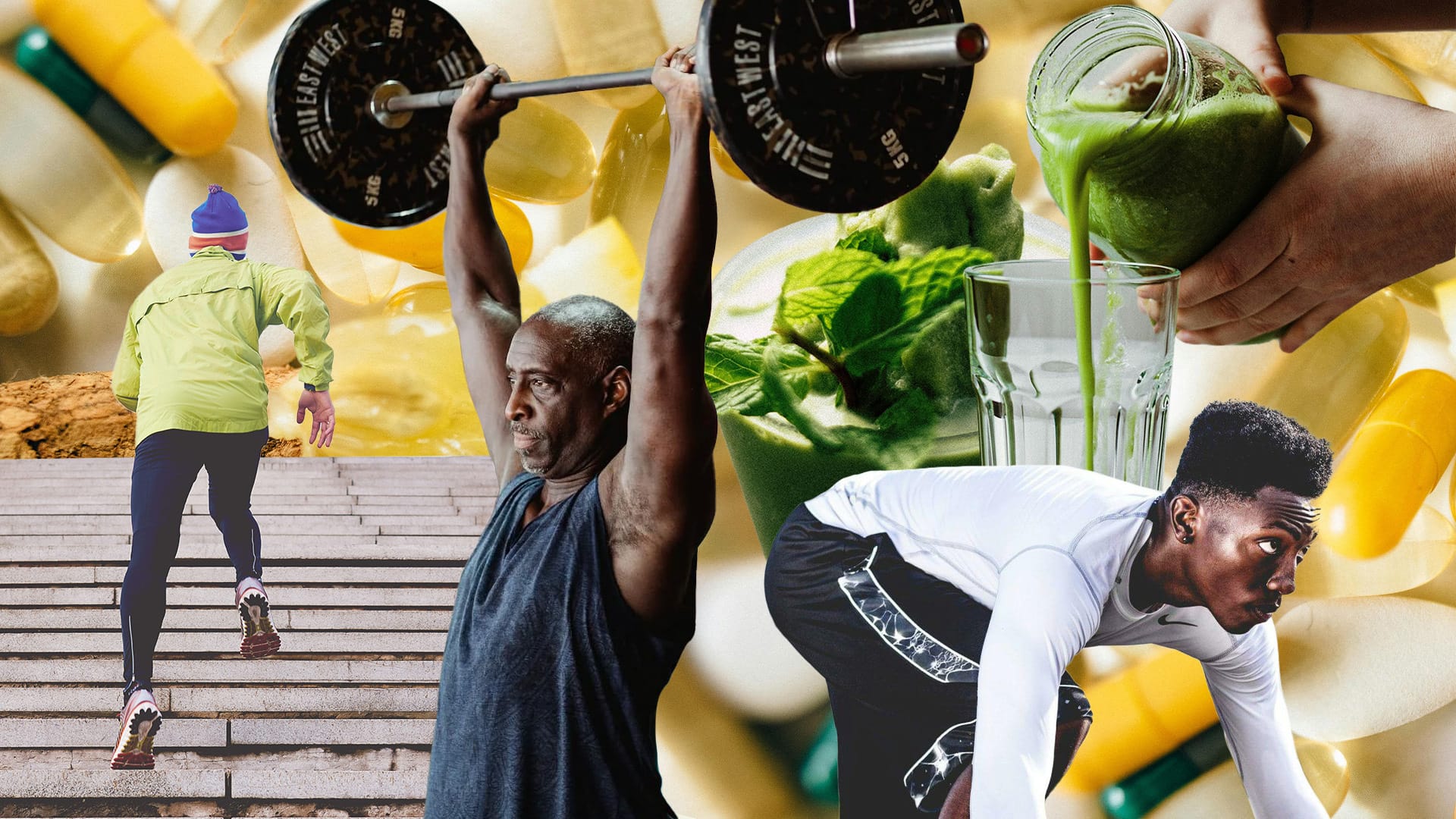
Things that have been advertised to me recently that will apparently fix my health, heal my inner child, and give me glowing skin:
- Greens powder
- This one specific kettlebell complex
- A pillow to prevent me sleeping on my side
- Collagen supplements
Things that have actually, measurably, affected my health recently:
- Escaping a stressful job and swanning around Europe for a couple of months
- Walking an average of 15,000 steps a day
- Access to affordable, consistently available medication
- Having the financial wherewithal to do the above
Carl and I started this newsletter because we wanted to help people wade through the misinformation the wellness industrial complex is selling. He’s a trainer with decades of professional experience. I’m a lifter and a journalist whose professional expertise is asking: “wait, is this bollocks? This is probably bollocks.”
And yet, they still nearly get me. Greens powder is the perfect example. I haven’t bought it – but not because I’m unconvinced, just because the shipping cost is prohibitive. A spoonful of sludge in my smoothie (alongside the creatine) that promises to heal my gut and balance my hormones? Very attractive. I know enough about nutrition to know those claims are bold, and that I’d be better off eating actual food. But the fantasy of fixing my 47-year-old body with one scoop? Hard to resist.
Quite often my TikTok feed serves me an exercise that looks intriguing. The pattern is always the same: I bookmark the video. One night when I’m at the gym alone, I try it. Usually, I do the fancy exercise and think, “sure, but a Bulgarian split squat would do the same thing.” Occasionally it’s good, and I regret showing Carl, because then he makes me do it more often.
As much as it pains me to say it, we do know the silver bullet to good health. It’s boring, it sucks, and it’s hard: sleep, a balanced diet, exercise, community, less stress. The kicker is that in 2026, the world is designed to make those things difficult to access.
That’s why Instagram tries to sell us individual fixes for social problems. “Just stress less,” say the influencers, as if we aren’t all being bombarded with dystopian headlines. “Eat more protein,” they yell, “but not meat, because the planet, and avoid processed foods” – good luck doing that at your local supermarket.
So, my one piece of advice: if the carnivore diet or celery juice cleanse works for you, great. But if someone’s selling you a miracle product and you’re not sure, ask yourself: is it possible this is just bollocks? And if you still can’t tell — email us. We’ll help you sort it out.
Over to you, Carl. One word: fascia.
Hahaha, I knew the “fascia” bait was coming.
I’ve also been thinking about my role as a coach. It’s more important than younger me would have given it credit for. We are responsible for shaping the narratives, internal and external, around food, exercise, and the client’s relationship with themselves. We see our clients more than most others in their lives and get to know them on a very personal matter, therefore we have influence!
In my opinion that makes it essential that we stay well-informed, both in how we coach and in the information we pass on to others. We must stay objective and follow what the main body of evidence supports. We should never talk in absolutes or support those who do. I was asked a while ago what are the red flags with coaches, the top one for me in them talking in absolutes
Nothing annoys me more than people speaking in absolutes about incredibly nuanced systems. Fascia is the perfect example. Yes, fascia is real! It’s the connective tissue that surrounds and integrates muscles, nerves, blood vessels and organs into one continuous system (Wilke et al., 2023). It matters, but the internet has turned it into a sellable thing that is responsible for all of your issues, and there is an associated cure!
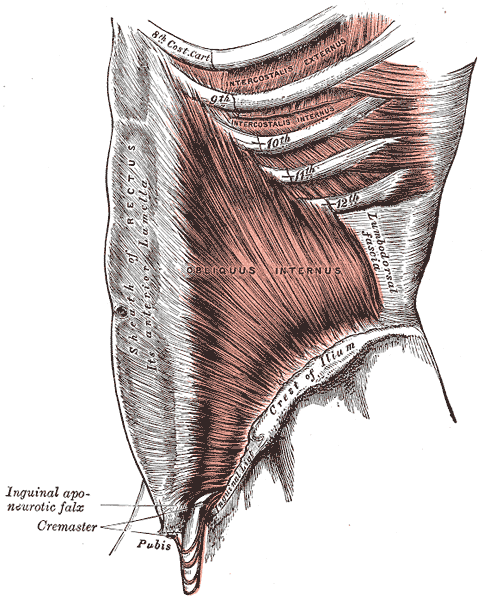
People now claim you can “train your fascia”, “release your fascia”, or that emotional trauma is somehow physically stored in fascia waiting to be unlocked by a lacrosse ball and deep breathing. That’s where things start drifting away from evidence and toward storytelling.
The current research suggests fascia is part of a fully integrated neuromusculoskeletal system, meaning muscle, connective tissue, nerves and the brain are all interacting together (Krause et al., 2023). So when someone feels better after foam rolling, massage, stretching or movement, that improvement is likely coming from a combination of nervous system effects, pain modulation, movement variability and changes in perception, not because someone literally “released” fascia like cling wrap around a steak (Cheatham et al., 2015; Glanzel et al., 2023).
That doesn’t mean these interventions are useless. Some people absolutely move better, feel better and experience less pain after them. Systematic reviews show that myofascial and foam rolling interventions can improve range of motion and sometimes reduce pain, at least in the short term (Ajimsha et al., 2015; Konrad et al., 2022). Again not because of the fascial release, because of the pressure, movement or nervous system downregulation. The problem is the claims aren't supported by evidence and it becomes a sellable story.
So if someone is trying to sell you a revolutionary “fascial release” system or claiming they can unlock stored trauma from your tissues, it’s worth asking a few questions before handing over your credit card.
But honestly, this is exactly the tension that makes wellness stuff so hard to navigate. Most people aren’t irrational or stupid, they’re exhausted, stressed, time-poor, and looking for something that feels manageable. A greens powder feels a lot easier than fixing sleep, finances, workload, relationships, movement habits, and stress regulation. The industry knows that.
And to be fair, not everything marketed in wellness is useless. Some supplements can help in specific contexts. Some weird exercises are genuinely great for the right person at the right time. But the issue is when ordinary things get dressed up as revolutionary, or when influencers reverse-engineer certainty from weak evidence and personal anecdotes.

The CarnivoreMD pivot is actually a good example. If your entire brand is built on “plants are toxic” and then you suddenly soften because the evidence and your own health markers, push you another way, that should probably come with a bit of humility and reflection. In the meantime making a fortune from this crazy idea and associated products.
Also, your point about social problems being individualised into consumer solutions is bang on. Most of the biggest health levers are incredibly unsexy:
- Moving often
- Resistance training
- Decent sleep
- Social connection
- Stress management
- Enough dietary fibre, food quality and protein
- Access to healthcare
- Financial stability
Unfortunately, none of those really fit neatly into a sponsored TikTok reel with a discount code.
I keep coming back to the saying: “Don’t hammer gold nails into a leaking boat.” In other words, get the foundations right first, then worry about the supplements, the greens powders, and the fascial training systems.