Weak Joints, Strong Opinions
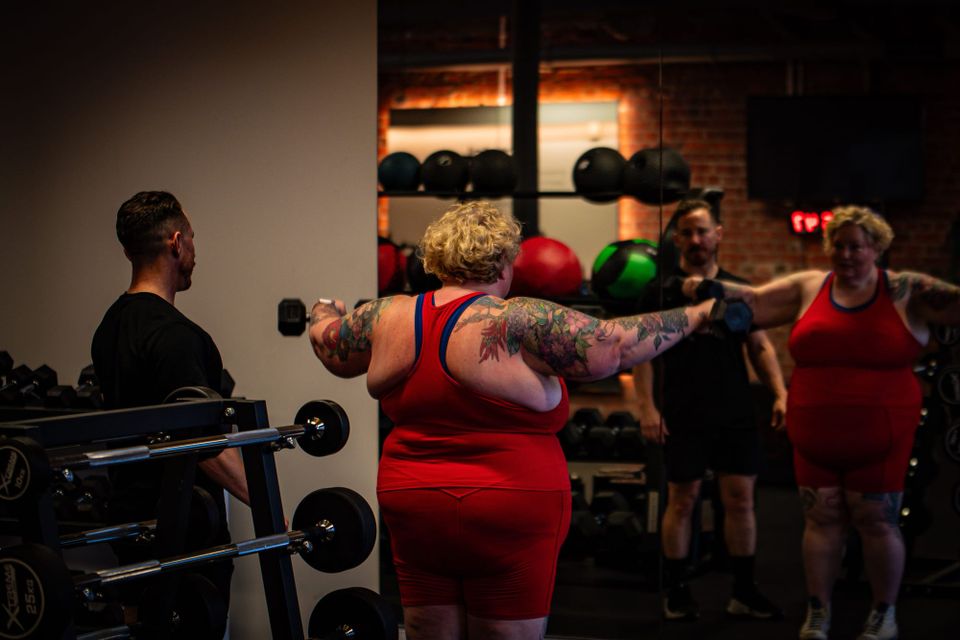
“Oh, you mustn’t lift weights! It’s so bad for your joints,” the woman says.
I am momentarily taken aback. People rarely argue back with this level of conviction.
And, to be fair, it’s a hard argument to make right now, with a knee that won’t carry my weight and an elbow that objects to a pint.
It’s also not an unfamiliar one. Instagram wellness gurus tell me, a perimenopausal woman, that my hormones somehow no longer support joint health under heavy loads. I shouldn’t lift heavy, they extol. I should do bodyweight exercises and fasted cardio.
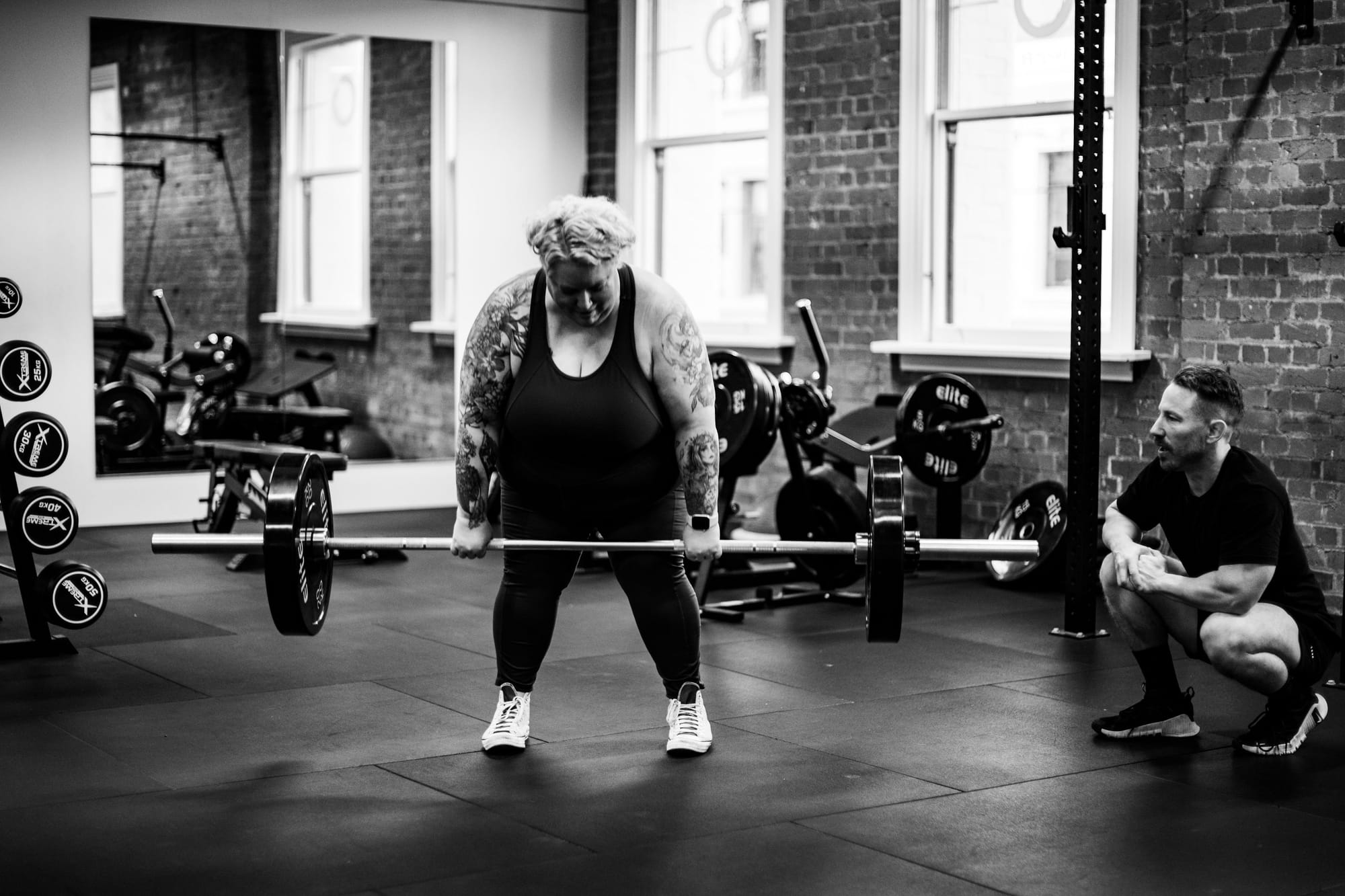
It’s often, in real life, older women who caution me, usually with genuine concern. Mostly, I bite my tongue, mutter something about the research, and try to rein in the eye roll. It’s not my responsibility to undo decades of social conditioning.
I know Carl is deeply excited to do some mythbusting, so I won’t go too hard. But the evidence is pretty clear that lifting, yes, even heavy, supports joint health, provided you respect form, progression and recovery. Am I now wondering about all these things? Of course I am.
My body is absolutely changing as I enter the twilight of my reproductive years. You’re welcome for that image. But telling me that lifting is bad for me is wrong, contrary to the science, and, as Gains and Brains readers know, more likely to make me want to do it.
I’ve seen a lot of medical professionals recently. None of them have looked at me aghast and uttered, “oh no, weightlifting, you musn’t.” I’ve been cautioned to check my capacity, and before we competed, my GP wanted to check my blood pressure. Lest, I assume, I have an apoplexy on the platform.
Even if one of them had said, “actually, lifting weights really is making your knee worse,” I’d still have a calculus to do. Because at some point, this stops being a medical question and becomes a quality of life one.
Carl here…
Ah yes, the classic ‘lifting is bad for your joints’ line. It’s been doing the rounds for decades, right alongside fasted morning cardio for fat loss. Not only is this not true, but it's also the exact opposite (if you look at the evidence)! And I have actually been directly involved in the exercise intervention for a nationwide clinical study on this exact subject (more soon!)
Progressive resistance training has consistently been shown to improve joint integrity, not degrade it. A 2017 systematic review by Belavy and colleagues found that resistance training, amongst many other things, increases tendon stiffness and improves joint stability, which is protective, not harmful.
In populations with actual joint pathology, like knee osteoarthritis, strength training is one of the first line treatments. This is reflected in a NZ Ministry of Health study called the Mobility Action Plan that we (Healthfit) were involved in, I was in charge of the programming and science at Healthfit within this project. Of the 300+ people we saw, we noted huge improvements in quality of life scores, increased healthy behaviours, enhanced wellbeing scores, function, self confidence to self manage, and pain scales through strength & conditioning exercise intervention.
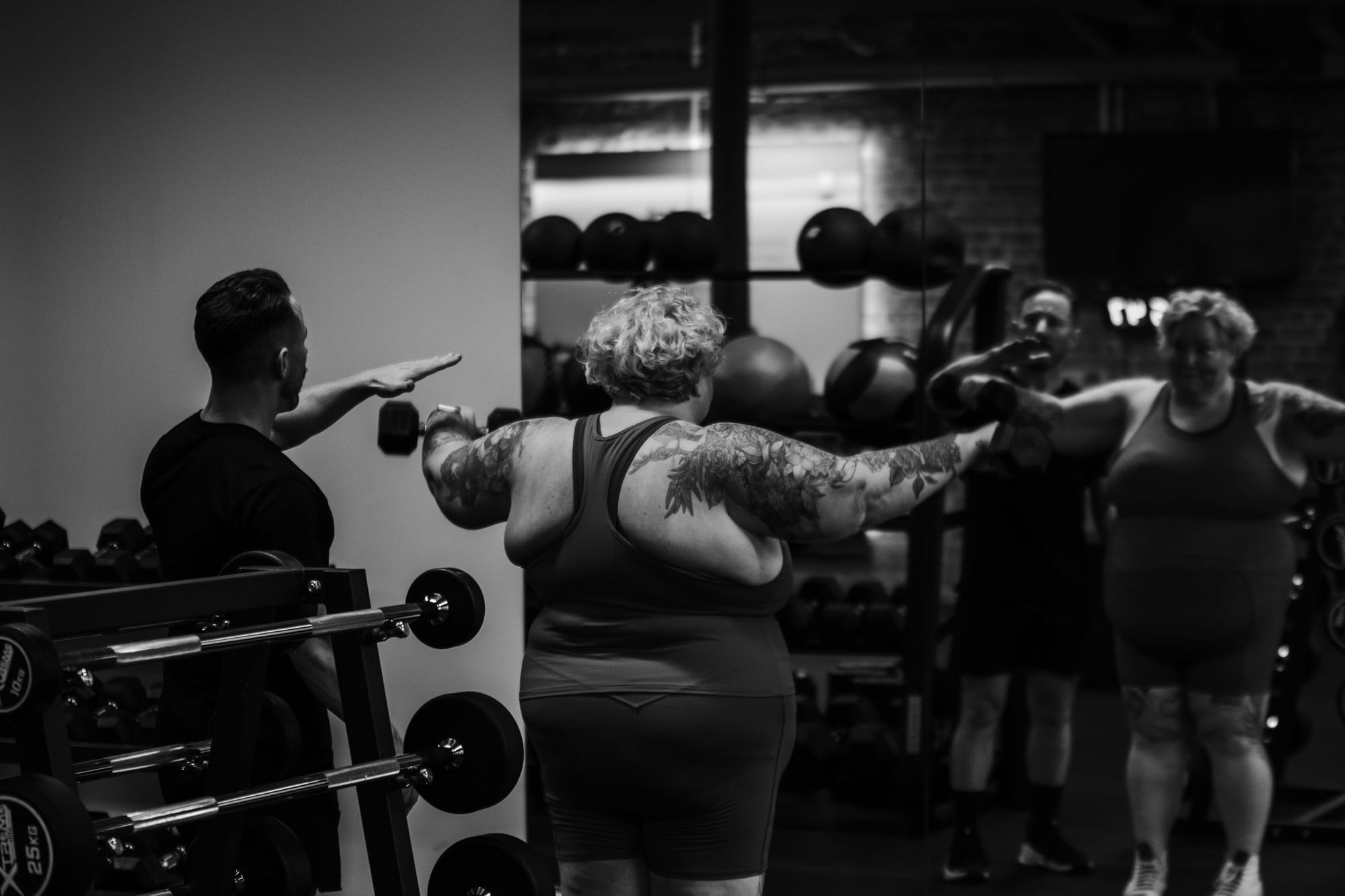
To reinforce this point a Cochrane review by Fransen and colleagues in 2015 showed clear benefits in pain and function. Not avoid loading, but do it properly.
Even heavier resistance training, when progressed appropriately, improves cartilage health, increases bone density, which becomes especially relevant through perimenopause, and improves neuromuscular control so joints are loaded more efficiently. Another great Meta Analysis concluded that resistance training is not only good for joint health and pain, but there is a dose-response relationship, where moderate to high load is ideal for pain and stiffness! Im getting carried away here, but this one shows that high-intensity resistance training increases strength and function, but doesn't worsen outcomes. Meaning that heavier = more dangerous just doesn't add up!
Research in menopausal populations, such as the LIFTMOR RCT (also a very high quality study type!) on postmenopausal women with low bone mass doing heavy resistance training + impact loading at >85 percent of 1RM (thats heavy!), twice per week, supervised.
What happened?
- Bone mineral density increased
- Functional performance improved
- No reports of increased injury or fracture risk under supervision
That’s a high-risk population with low bone density who are postmenopausal and exactly the group people tell to “be careful.”
A network meta-analysis comparing different resistance training approaches found that multiple resistance training styles improve bone density, however moderate resistance training 3xp/w was the best outcome.
This study, and as well as the LIFTMOR study, indicate that supervision can yield better outcomes, possibly just through monitoring and adjusting loads appropriately.
Across RCTs and meta-analyses in postmenopausal women:
- Bone responds positively to loading
- Higher intensity is not inherently harmful
- Supervision and progression matter more than avoiding load
- The system remains adaptable, even with hormonal changes
So the idea that menopause suddenly makes your joints or bones unsafe under load? That simply isn't supported by science.
If lifting was bad for your joints, the highest level of evidence we have, meta-analyses of hundreds of randomised trials, wouldn’t show consistent improvements in pain, strength and function.
Now, after all of the evidence points to heavy lifting, here is where people get it wrong. You do not just walk into the gym, load up a bar, and hope your knees sort themselves out. You respect the key principles.
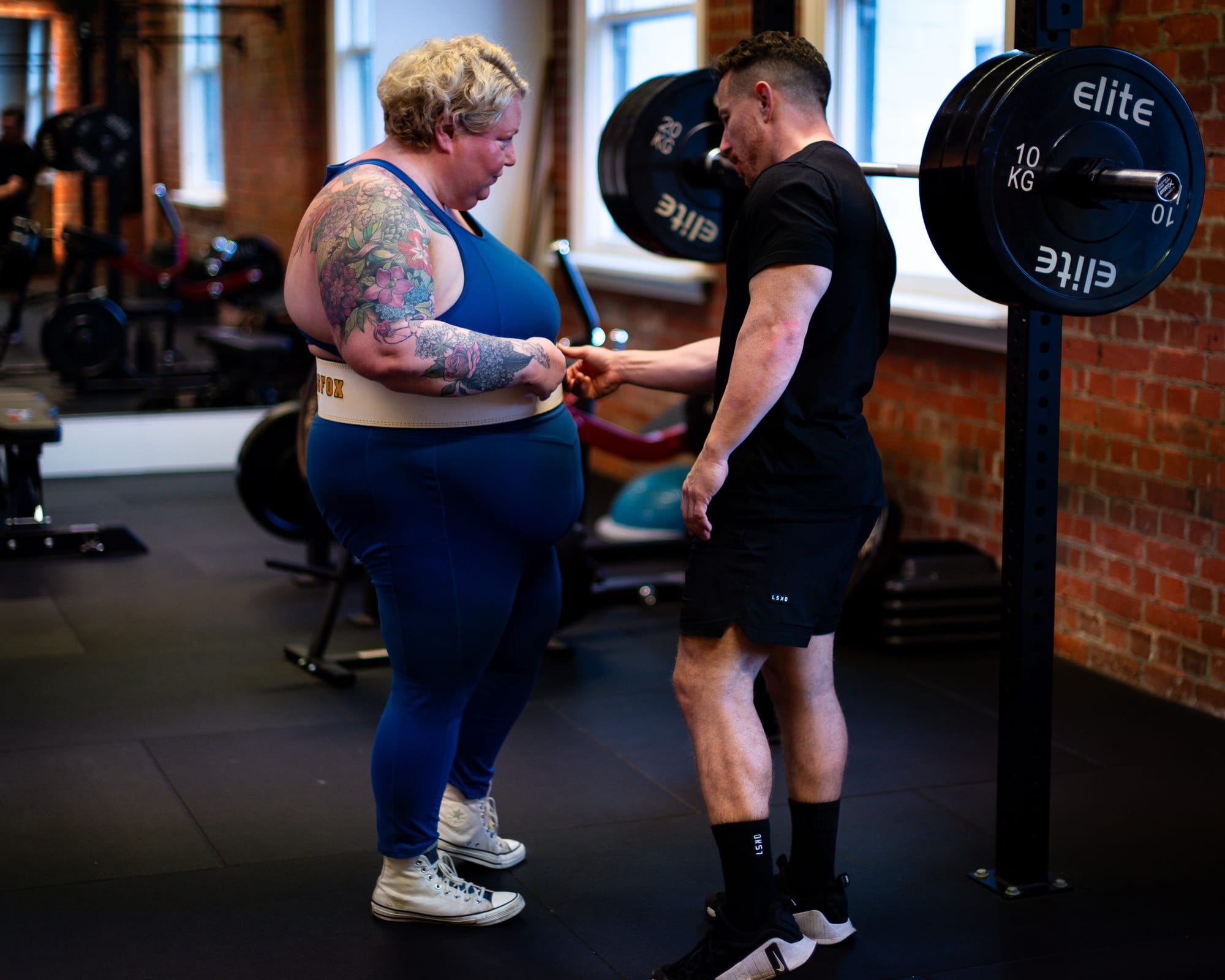
First, (and here we go again!) progressive overload! Your joints tolerate what they are prepared for, not what you used to do. It’s earned, not rushed. Think two steps forward, one step consolidate, then one step forward again. Increase load or volume, not both at once.
Right now, yes, your knee is protesting and your elbow is not thrilled. That is not evidence that lifting is bad. It is evidence that your current load exceeds your current capacity, or that one of the many biopsychosocial factors could need adjusting.
The solution is not avoidance. It is rebuilding capacity intelligently, and one of the strongest predictors of long term joint health is staying physically active, not avoiding load.
So a simple framework to take forward. Keep lifting, modify, do not abandon. Build capacity before chasing performance. Let symptoms and your team guide you (if that's not an option refer to the traffic light system mentioned in earlier newsletters).
And next time someone says you must not lift weights, you can smile and recognise it’s not ignorance, just an outdated understanding of how adaptable the human body really is under load. Then you can choose whether to educate them or not…perhaps send them this!