
We are so Back - Goal Setting Science
We are so back, baby.
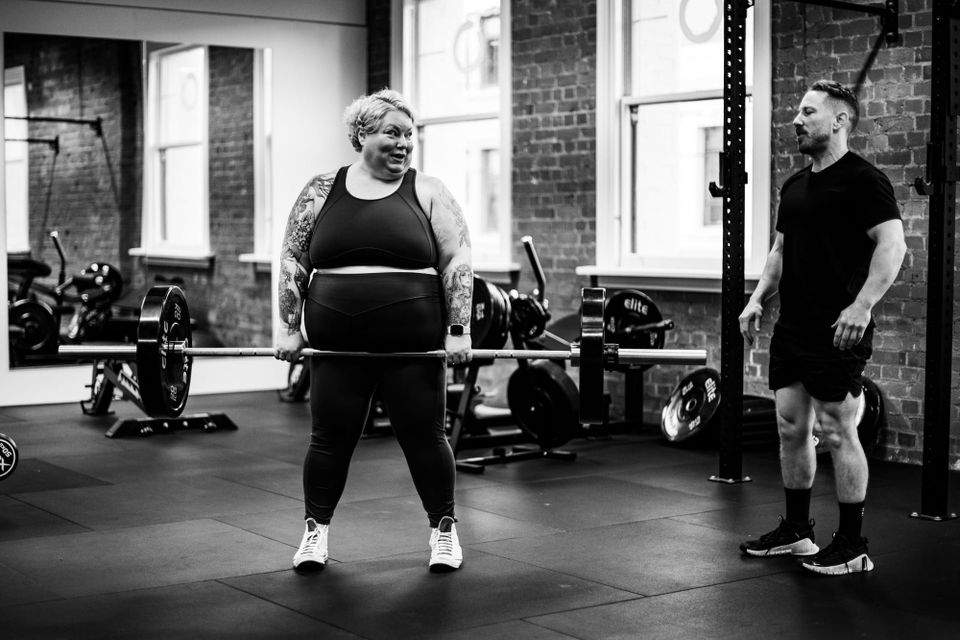
Happy weekend, friends. Megan here. Yesterday, I deadlifted 90kg for reps, and then backed down to 80kg for even more reps.
Today I am walking like a newborn foal who came out bowlegged, but I am finding it hard to care, because we are so back!
I have been talking to elite powerlifters this week: women who lift orders of magnitude more than me. There’s a little voice in my head that says “well, you’re never going to be that, so why bother?”
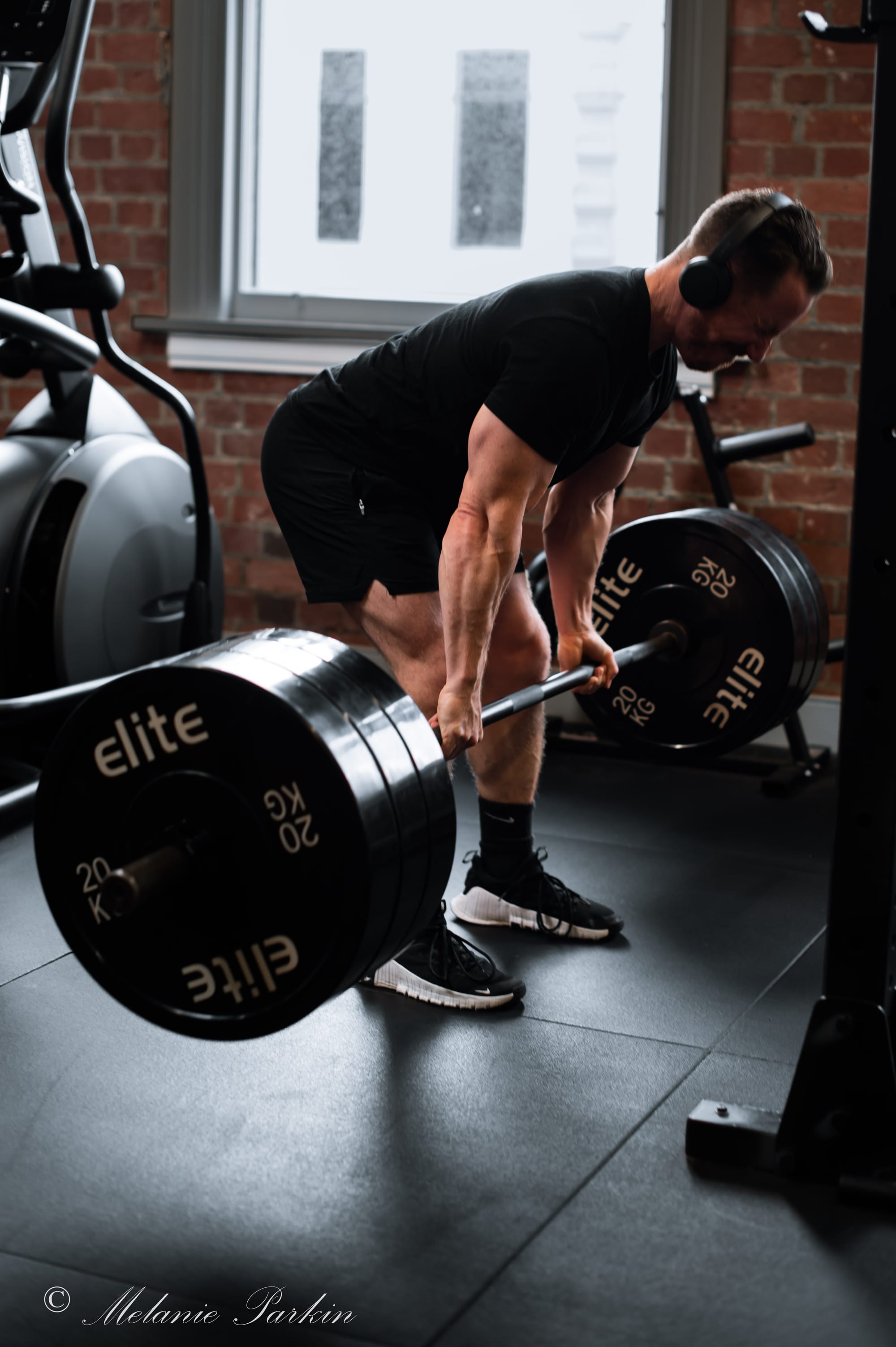
Why bother? Cos lifting heavy things feels great. Being sore feels great. Not being able to get the last rep up felt great. The raw skin on my hands after multiple sets of deadlifts, rack pulls and deadlift rows felt great.
So what changed? Because none of that felt great even a week ago. Well, I am finally over the flu, that helps. But I am putting it down to this: I have a goal.
I mentioned a couple of weeks ago that I spent time at Powerlifting Nationals. While I was there, I talked to some people about competing. And the possibility of maybe, quietly, competing next year. And that made me wonder if it’s at all conceivable.
And so I came home and did some maths of how much strength I would have to rebuild to feel good about stepping onto a platform. Whether my knee can stand up to squatting to depth, and how I get back there. If my bench press can keep growing.
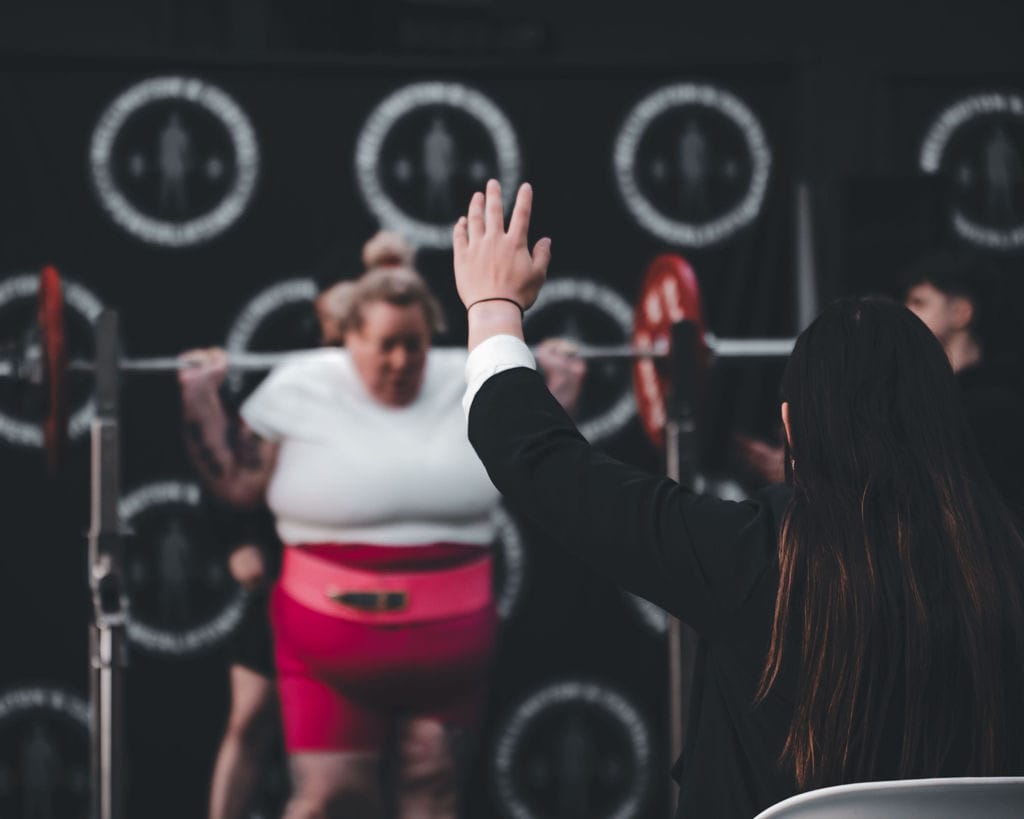
I don’t know the answers to any of those questions, but I do know that thinking about it made me feel more inspired to go to the gym than anything has in months. And I feel like me again in a way I hadn’t realised I’d been missing.
I think, in hindsight, the somewhat amorphous goals of “rehab my knee” and “generally get better” have been working against me. That’s not how my brain works.
Smart goals get a lot of flak these days, but having something that is specific, measurable and time-bound helps me to actually see the why of what I am doing. A qualifying total is about as measurable as it gets. I want to get better every day, but I also want to actually know that I am getting better.
I make a lot of jokes about lifting being my whole personality, but deciding I am going to lift properly heavy again, and having something to work towards, that feels like something I would do. The elite powerlifters I keep wrongly comparing myself to aren’t the goal - finding my own best is.
I don’t know if I’ll compete again. I don’t know if my knee can withstand what I am going to have to ask of it to make it there. But my knee will get better with the trying, or I will have the answer to a question that has been bugging me for the past year: what if I can’t anymore?
So I am not holding too tightly to the outcome - I might not make it to a platform anytime soon. Because the goal isn’t actually to compete. It’s to be ready to compete, and I’ll know I am when I can lift a qualifying total, whether or not I ever step on a platform to do it. Getting there means getting back to spending a lot of time in the gym, lifting properly heavy, focussing on squat, bench, deadlift (so, my happy place).
I put a barbell on my back this week, and squatted with nothing behind me. No bench, no box, just years of learning technique and faith in my glutes. It was a big enough weight that I had to work to move it, but small enough that when I stepped back from the rack, the naysayers in my head started with the chorus of “you’re never going to be good enough.”
But I squatted as deep as I could, and got back up. And the fear that I’ve been holding onto for months, that maybe I wouldn’t be able to get it up, got nudged out of my brain a little bit.
That’s a win in itself, and I feel like, for the first time in a while, I can feel more of those on the horizon.
That’s why I bother.
Carl here..
Goal setting is a big part of what I do, and a big part of what our industry is expected to do. I have a friend who’s a psychologist, and we talk about this a lot. She always brings me back to one step before goal setting: does this person actually have the space in their life to make a change right now?
Then there’s the relationship. When someone starts working with me, we’re both signing up for something, and it takes work from both sides. I can bring the tools, the plan and the encouragement. They need to bring the effort, and keep turning up on the days when it’s less convenient.
Get those two things right, and goal setting has something to stand on. So, back to goals.
The science bit: why a number made Megan want to lift again
Smart goals get a lot of flak these days, and Megan just found one that got her back in the gym. Both can be true. Working out why tells us a lot about how to set goals that last.
Vague goals don’t work. Goal setting is one of the most studied ideas in psychology, and the core finding has held for decades, specific, challenging goals beat “do your best” (Locke & Latham, 2002). When we’re told to do our best, we usually don’t, because there’s nothing to measure against. “Rehab my knee and generally get better” is a do your best goal. Megan’s brain wasn’t being difficult. It was reacting the way most brains do.
So does setting a goal actually help? Yes, though not by magic. Across 141 randomised trials, setting a goal improved behaviour change, but only by a small amount on its own (Epton et al., 2017). The effect was larger, a medium effect, for getting people more active (McEwan et al., 2016). Goals worked best when they were hard but achievable, and set publicly or with other people.
But a goal is only half the job. The bigger gains come from planning how you’ll get there. “If, then” plans, like “if it’s Monday at 6am, then I squat,” had a medium to large effect on actually reaching goals (Gollwitzer & Sheeran, 2006). Picturing the obstacle before it arrives helps too (Wang et al., 2021). For Megan, that might be: “If my knee grumbles, then I swap to box squats instead of skipping the session.”
Where SMART falls down. SMART started as a management checklist, not a research finding. A 2023 review by Swann and colleagues found it isn’t based on theory, doesn’t match the evidence well, and ignores what type of goal suits the person. When researchers tested different goals in a walking session, SMART, open and do your best goals all beat having no goal. But SMART goals caused more pressure and tension, while open goals (“see how far you can go”) left people feeling they’d done better and keener to come back (Swann et al., 2020).
The right goal depends on where you’re starting. In a second walking study, less active people went further with an open goal, and already active people went further with a SMART one. Interviews with participants found the same pattern in how people felt about each kind of goal. Megan has years of lifting behind her, so a qualifying total suits her. A nervous beginner would probably do better with “let’s see what you can do” and no number to fail.
Why the goal matters as much as what it is. Goals that reflect your values get more sustained effort and are more likely to be reached. Reaching them also does more for your wellbeing, because the work along the way meets our needs for autonomy, competence and connection (Sheldon & Elliot, 1999). That’s the difference between a goal that gets you a number and one that’s good for your long term health and happiness. It’s also why Megan’s shift away from comparing herself to elite powerlifters matters. “Why bother?” comes from measuring yourself against other people. “Finding my own best” is the kind of motivation that lasts.
Identity. When Megan says the goal “feels like something I would do,” that’s identity talking. Seeing yourself as 'someone who trains' is one of the things that keeps people active. Programmes can strengthen that identity, though only modestly, and in the studies that also measured activity, people moved more too (Rhodes et al., 2024). Identity and behaviour feed each other. You lift because you’re a lifter, and you feel like a lifter because you lift. A goal that matches who you are gets that loop turning again.
Process gets you there. A qualifying total is the destination, but Megan can’t lift a total today. What she can do today is turn up, squat to depth and look after her knee. The outcome gives her the direction. The process is what gets her there.
Hold on loosely. “The goal is to be ready, not to compete” is a clever move. It keeps a high standard without gripping the outcome. Being able to let go of a goal that turns out to be out of reach, and commit to a new one, is linked with higher wellbeing (Wrosch et al., 2003). “Or I’ll have my answer” is a healthy thing to say.
Check in, and write it down. A meta analysis of 138 experiments found that monitoring progress makes people more likely to reach their goals. Checking more often helped, and so did writing progress down or sharing it. Big goals also need close stepping stones. In a classic study of children learning maths (so treat it as a principle, not a gym rule), short term subgoals built confidence and interest better than one distant target.
My coaching take: direction, destination, next rep
This one isn’t from a trial. It’s sometimes how I set goals up with clients:
- Direction (who you want to be, and why): review a few times a year, or when life changes.
- Destination (a specific target, or an open goal if you’re starting out): review each training block, roughly every 4 to 8 weeks.
- Process (sessions done, technique, sleep, how your body feels, your “if, then” plans): track weekly, and write it down.
Being specific matters more the closer the goal is. Your direction can stay a little loose. Your next session shouldn’t.
Megan’s squat with nothing behind her sums it up. The goal didn’t take away her fear, it gave her a reason to put weight on the bar, and she sees herself as a powerlifter. Now my job is to provide the other things - although I believe she already has a plan for me to assess and add to (a sign of a meaningful goal)!
.