The Aging Female Athlete
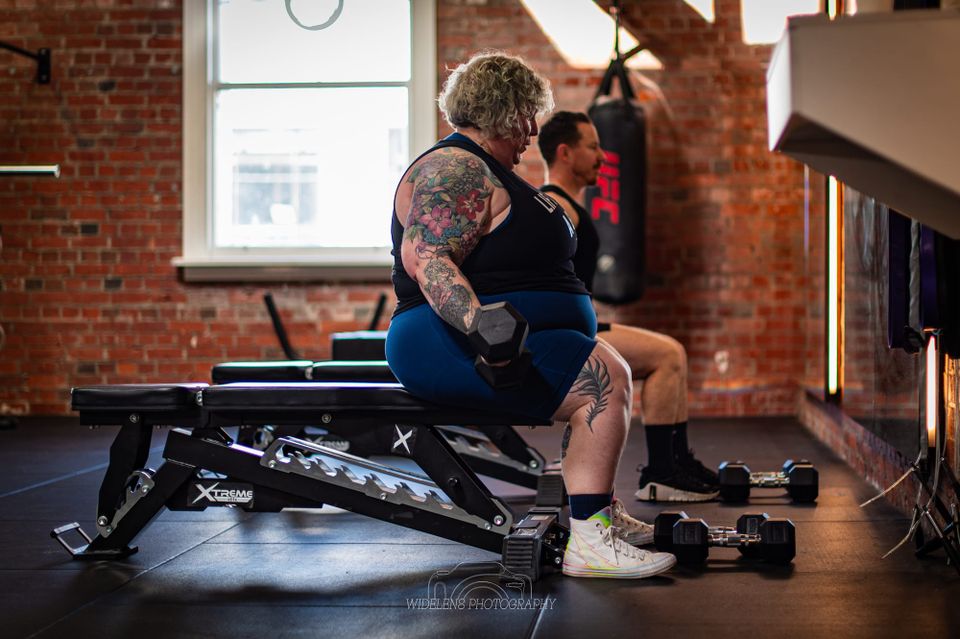
A while ago, we asked you if there are any topics you wanted to us to discuss, and one of you wrote concisely: The aging female athlete.
Megan here: HEY.
But also, OK, fine, I guess that's fair.
Let's wade in. I am staring down the barrel of my fifties, and it is fair to say this week, I am feeling it.
Here's what I understand from everything I have read: exercise, particularly resistance training, gets more important as we age, not less. Resistance training helps bone and muscle density, metabolic health, mobility and independence.
It's a line we use a lot around here: we're not in the gym for our bodies now, we're in the gym for our bodies in 30 years, so we can travel and dance, and get up off the floor when we fall.
Here's one that is interesting to me: there's a growing body of research that strength training is useful for preventing and slowing dementia. As someone with a genetic legacy of Alzheimer's, I am very interested in this research, and it's something I think about as I squat.
And another fun fact: resistance training can significantly reduce the frequency and severity of hot flashes, and strength training significantly outperformed cardio in reducing symptoms. (No word on my favourite perimenopause symptom: the goddamn itchy ears.)
And one more: this is possibly correlational, not causal, but it's a striking correlation - men who regularly strength trained reduced their risk of cardiovascular death by 11%, while women who lifted weights reduced their risk of cardiovascular death by a staggering 30%.
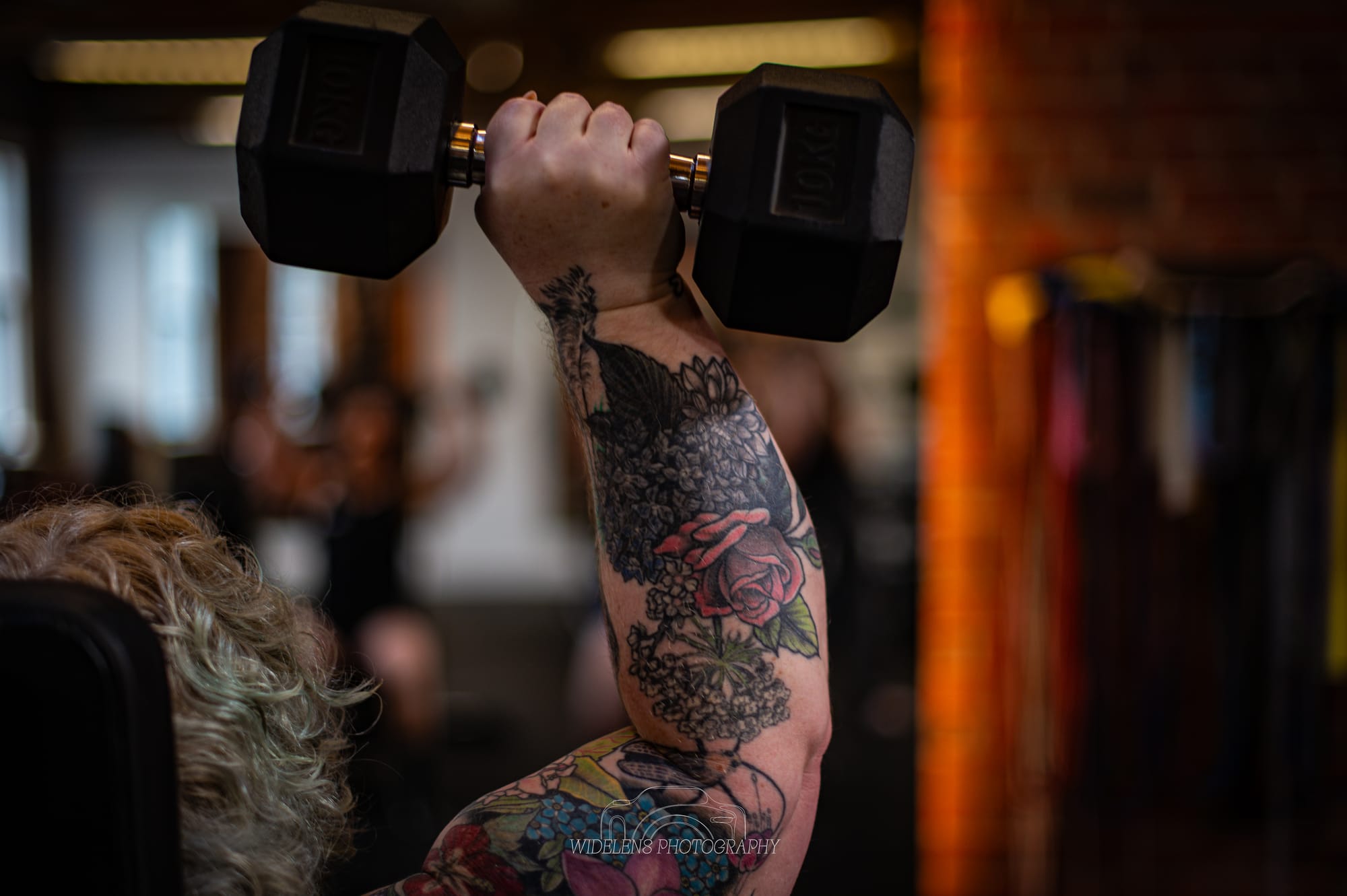
The frustrating thing is, it can be really, really difficult to find information about "older women" and fitness. Not least because we're so poorly studied, but also because every man and his dog is now trying to flog menopause-support lotions and potions, and scaremongering as a marketing tactic.
Just this week in my Instagram feed, two influencers were having a fight about whether a particular piece of research said fat loss is impossible during perimenopause, or something else. The posts had hundreds of comments, mostly anecdata, or tribal support. Not only am I at a loss to say who was right, or what the research actually said, I don't even follow any of those people. Meta just decided that I should be aware of this particular academic fisticuffs.
Here at Gains and Brains, we try to take a more considered approach. The research on menopause and fat loss isn't settled, and frankly, that's not why you're here anyway.
So, at the tail end of my forties, and apparently continuing to age, here's what I know:
Your muscles will protect you against a bunch of things as you age, and you will feel good growing them. Outside of the aesthetics we've spent decades chasing, knowing your muscles are there to support your life is a great feeling. Knowing I am much less likely to need a hip replacement when I am seventy is helpful. My pelvic floor is grateful for it too. And given I have spent years worrying about mental decline as I age, knowing that my muscles are protective against that particular horror matters.
As women, we're often told to "just exercise." But "pick up something heavy" is very different from "dance around in leotards" or "go for a walk." The latter two are still important (and fabulous if you enjoy them), but there is considerable research that strength training is incredibly helpful for the aging female athlete. And it's worth understanding what is going to work for you.
One caveat I think is useful here - it's worth setting expectations for yourself. I am objectively in the best shape I have been since I was a teenager, but I overdid it this week, and I am feeling it.
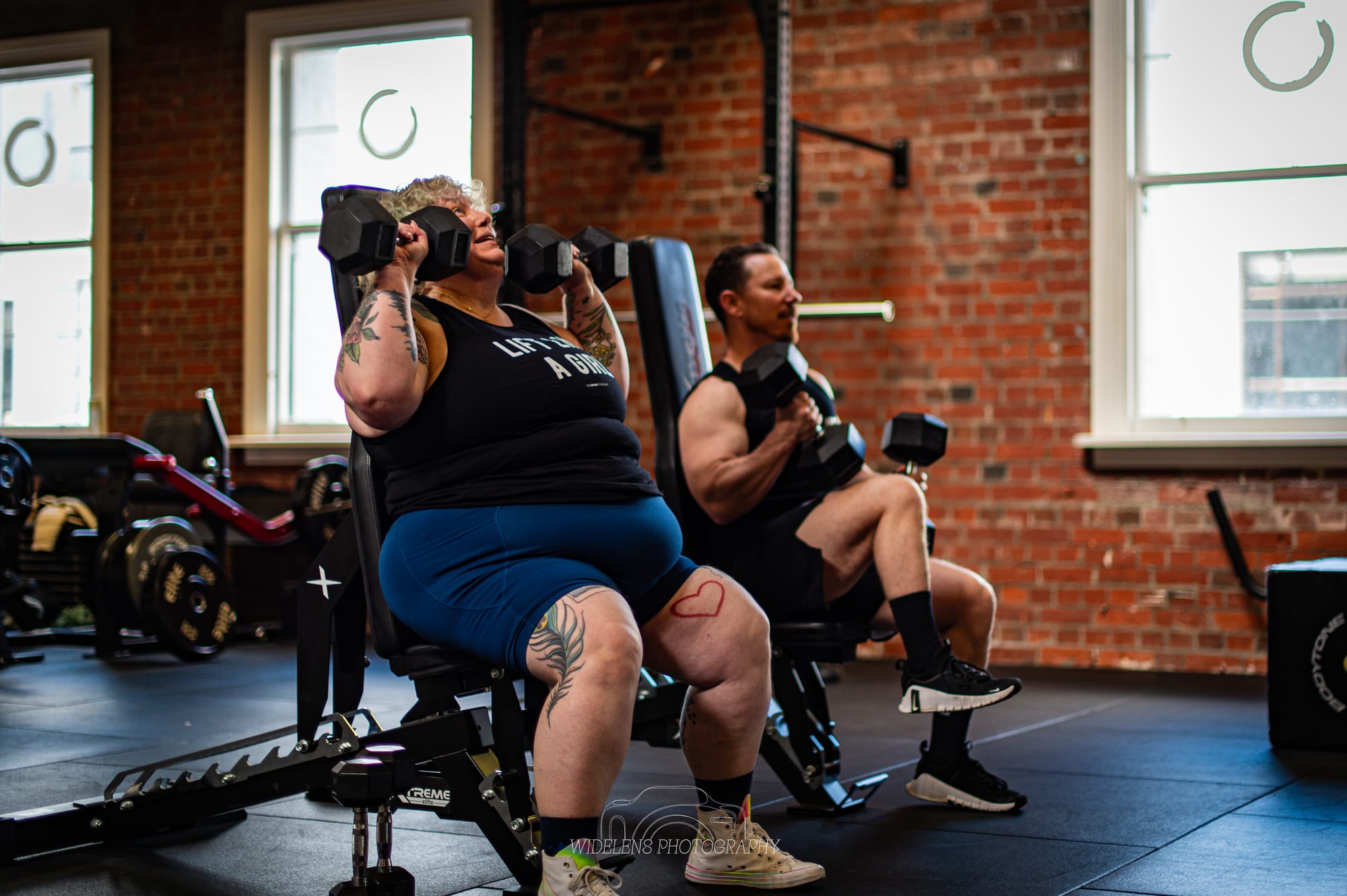
It is ironic that we do exercises so we can get off the toilet when we're old, but in the process we make it hard to get off the toilet. Blame Carl making me do a bunch of hamstring exercises the morning after my first pilates class in six months. (It's totally not his fault, I didn't know how fatigued I was.)
I assume as I get older, managing recovery is going to become more and more important.
One other fun fact: we've talked before about the distinction between strength and power. Simply put, strength is how much mass you can move; power is how quickly you can move it. And there's relatively new research that says power is a stronger predictor of longevity than strength.
Think of it this way: those times you sit down on a fancy designer couch that is far too low? It's not the strength of your glutes that gets you out of it, it's the power. If you trip, it's not how strong your muscles are, it's how quickly they can move to catch you.
So, Carl… how do we get more powerful? And why does this matter for women in particular?
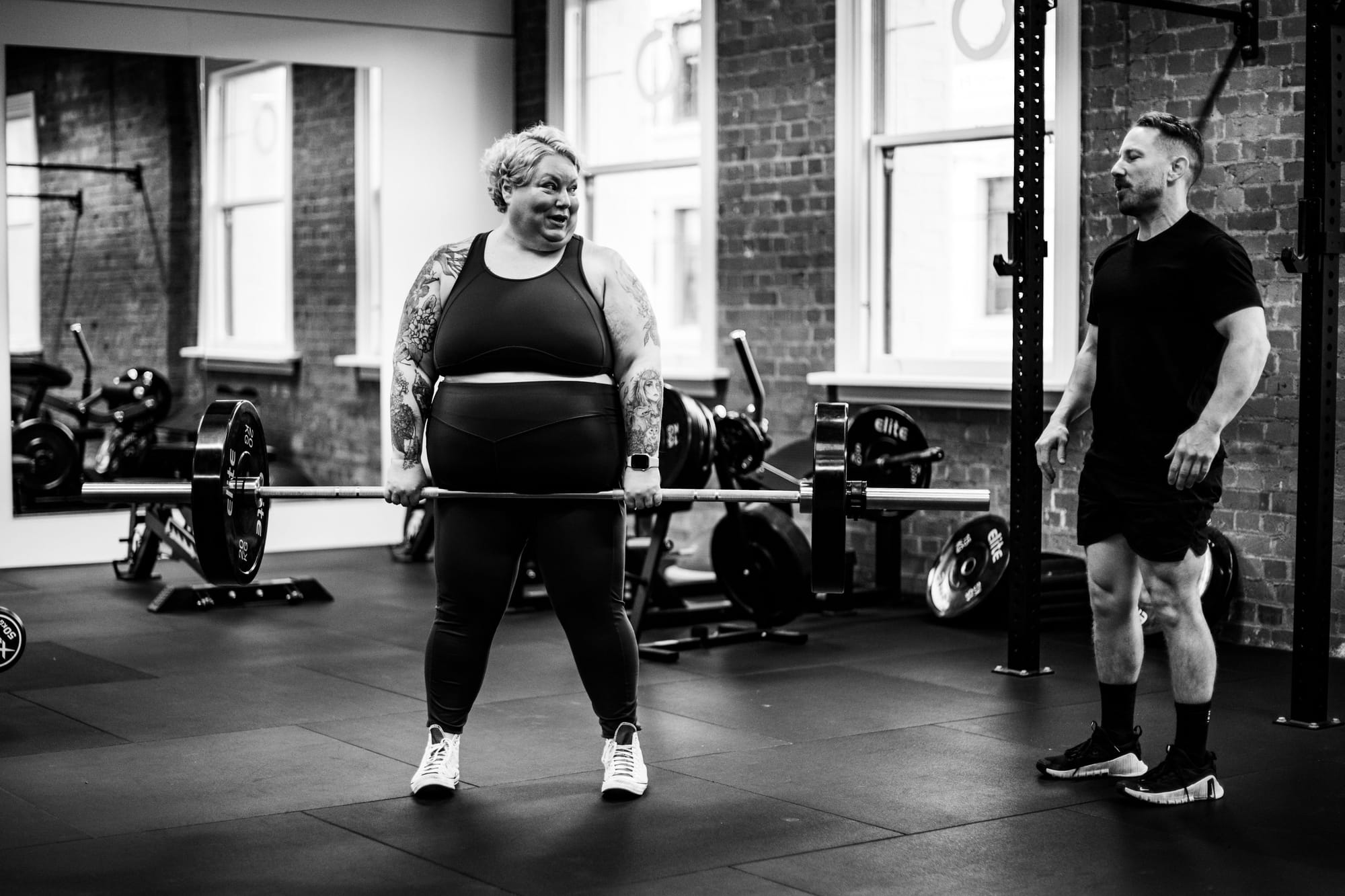
Carl here.
I'm not qualified to speak to what it feels like to live through the aging female body, and I never will be (as I’m not one!). What I can do is sit in the research and my own subjective observational data to work out what's happening and what actually helps.
Three things I want to leave you with. First, aging shows up differently for everyone, and the commodification Megan mentioned, the magic programme or the snake oil promising to fix you, only works by first convincing you that you're broken. Second, there's no perfect programme. Movement is good. Make it part of your life, enjoy it, and the details will follow. Third, the internet right now is exhausting, a constant stream of what you supposedly need. We're not here to add to that noise or your body anxiety. We're here to give you something considered, grounded in science, and hopefully a bit of comfort.
Aging is part of being alive. It's normal, and it's okay, something to meet with equanimity rather than panic. But you can do it well, prepare for it, and do the things you want to do for longer.
Bone is the clearest case of aging doing something real, independent of anything you do or don't do. Cohort data tracking women through the menopause transition found bone density holds roughly steady beforehand, then drops sharply once menopause hits and is driven by the hormonal shift itself rather than habits. Thats important to understand because it's part of why your power question isn't just an interesting stat as it's the difference between a stumble and a fracture.
Which brings me to power. Megan's given you the definition: strength is how much force you can produce, power is how fast you can produce it. For years the fitness world treated strength as the whole story and main event, and dont get me wrong, it's super important and a foundation of power. A large cohort study published in Mayo Clinic Proceedings this year tracked nearly 3,900 people aged 46 to 75 for a median of almost eleven years and found that low power was strongly linked to earlier death in both sexes. Comparing lowest to highest power, the risk of dying was almost six times higher in men and almost seven times higher in women. Strength, assessed separately in the same data, showed a much weaker relationship that didn't reach statistical significance in either sex.
Why it might matter even more for women, I can't say for certain. One plausible mechanism is that the fast twitch fibres responsible for power are particularly sensitive to hormonal changes around menopause, right as bone fragility is rising for the reasons above, but that link isn't established the way the mortality data is, so take it as a hypothesis, not a fact. What is clear is that power decides whether a stumble ends in catching yourself or ending up on the floor.
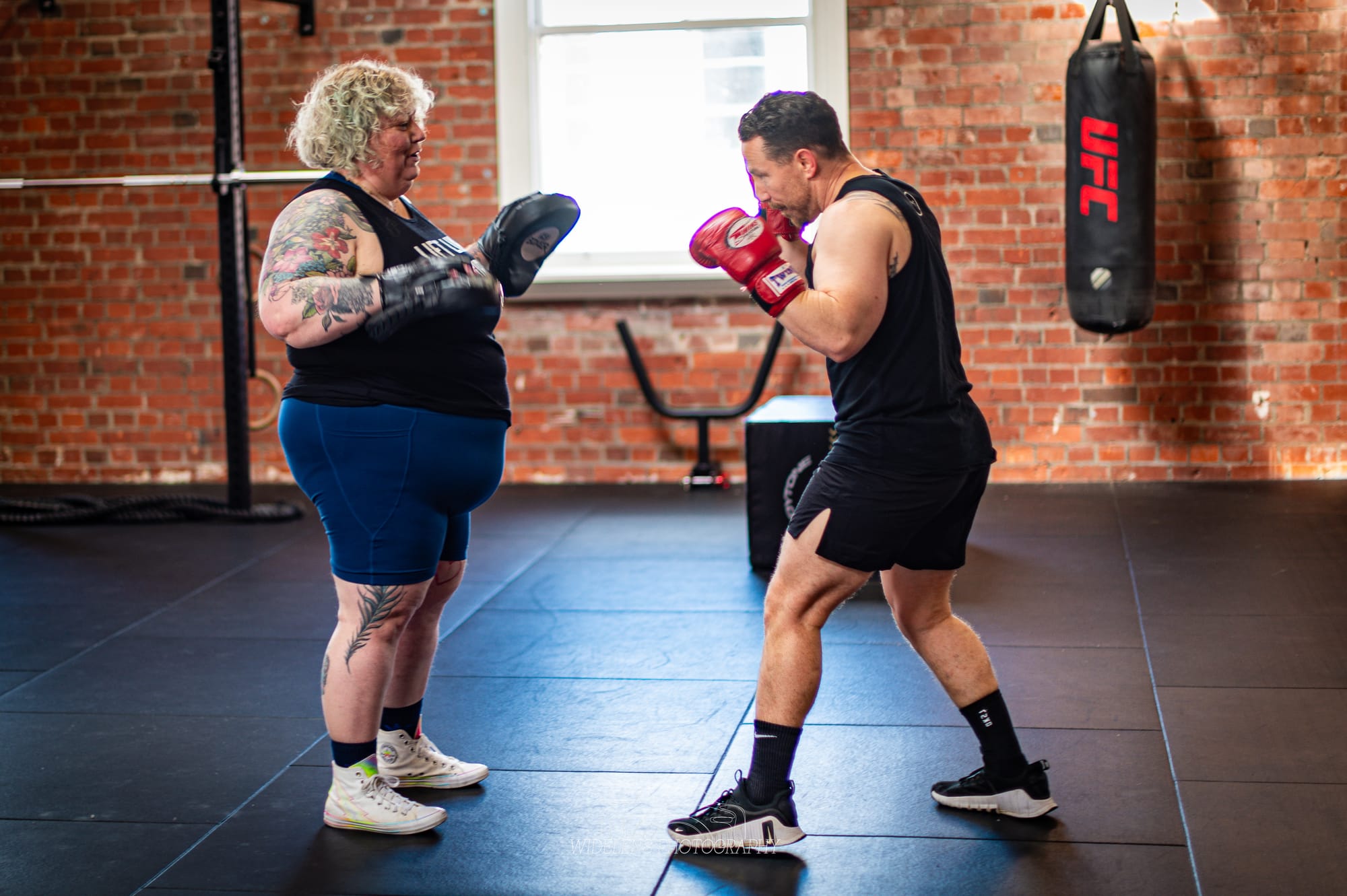
The good news is building it doesn't mean a new program. A twelve week trial of high velocity resistance training used the same moderate loads people already lift, around 40 to 60 percent of a one rep max, and found meaningful gains in power simply by moving the lifting phase as fast as possible. A review pooling nineteen randomised trials across more than a thousand older adults, mostly women, found this style of training produced better results on two specific functional tests, general physical performance and a timed up and go test, though the researchers were honest that the underlying evidence was still low quality and the effect only weak to moderate.
Practically, this doesn't need to be a hop program or dedicated plyometrics. It can be as simple as moving fast within what you're already doing. Same squat, same sit to stand, same row, just lower it under control, then stand, push or pull as explosively as you can. Running counts too, so does anything that asks your legs to produce force quickly! Stairs taken at pace, a fast step up, a kettlebell swing, even walking intervals where you push the pace for short bursts. You're not chasing a heavier number, you're chasing speed. And Megan, given the week you've just had, it's worth saying none of this needs more volume or heavier loads, it the same sets, same sessions, just moved with intent.