Taking up Space
Ok, buckle in kids. This is going to get awkward.
Lifting has given me many great joys. I am travelling again this week, and as I packed my suitcase, I reflected that it’s nice not to worry that it’ll be so heavy I can’t lift it. Unless I’m packing a full kettlebell set in there, I can probably manoeuvre it — even up several flights of stairs. (Down is a little more complicated at the moment, but I can navigate.)
So that’s fun. Some of the other things lifting has wrought are less fun: callused hands, constant unidentified bruises, the gastrointestinal effects of whey protein powder.
And then there are the ones I don’t quite know how to feel about.
This week, I picked up a knitting project I haven’t touched in about eighteen months. (There were bust darts. IYKYK.)
As part of the pattern, I had written down my measurements. When I picked it back up, it looked… off. So I re-measured my bust, waist, hips and biceps.
Long story short, I am significantly smaller than I was 18 months ago. In a way that has left me a bit discombobulated.
My gym journey has never involved intentional weight loss. My intent is never to talk about that here. But bodies don’t really care about politics. If you move them consistently, they change.
My markers of success go like this: what do the blood tests say, how are the weights moving, what does my body feel like when I climb out of bed in the morning.
If I could, I would never think about the size of my body. But right now, with its skinny obsession, the world doesn't want me to live like that. The world wants me to think about it constantly.
I understand that losing fat tissue is probably good for my health. I understand that being a smaller clothing size means more options in the sequinned dress aisle.
But I also like taking up space. And it’s taken years, and a lot of counselling to be OK with that.
This shit is hard. I’ve worked really hard to divest myself from diet culture, but saying “hey, I have lost weight” still feels like I am asking for congratulations I would be offended to receive.
I’ve seen other people struggle with this. You want to be pleased with the new deltoid definition, but you also don’t want to focus on the aesthetics of it all.
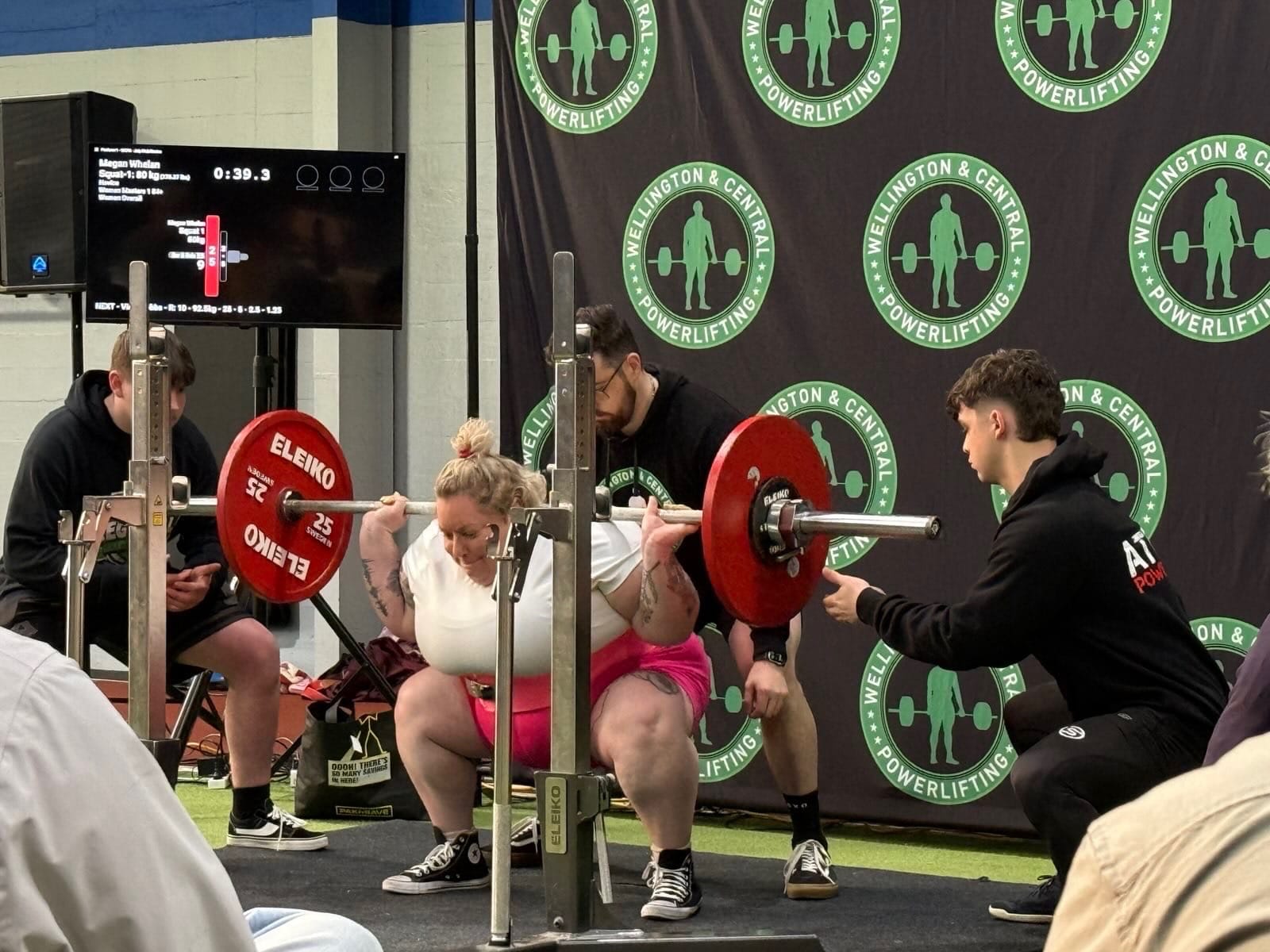
So this is where I’ve landed: I pay attention to the measures I actually care about — the ones on the side of the barbell, not the ones on the scale.
And I accept that my body is going to change, whether I plan it or not. This just happens to be a change I made happen.
I didn’t come to the gym to change my body. But I did come here to use it - and apparently that has consequences.
Carl here. After chatting with Megan earlier this week, this topic has been sitting with me ever since. To be honest, it’s been a challenging one to organise in my head, and even harder to put into writing. It brought a real awareness to my own internal dialogue and judgement, and I guess prompted some deeper self-inquiry.
For example, when someone tells you they’ve lost 15kg, what is your honest initial response? Mine is usually to say “well done!” But then I started to question that. Why is it good? Is it tied to anything functional? Was it their primary goal, or a byproduct of performance or healthier habits? Or am I, without thinking, reinforcing narratives that might not actually serve them, and could even contribute to further body dissatisfaction?
As a coach, that’s something I take seriously. There’s a responsibility there. The goal is to improve people’s lives, not add to internal conflict or create more noise around how they see themselves.
I would say that the more I’ve learned, the more I’ve seen, alongside becoming a father to two young girls who are already exposed to messages about how they should look, and through my own personal journey, the more my position on this has become clearer. So here is my journey and here are my thoughts.
This is a meaningful discussion for both of us, and it feels like we’ve arrived at a similar way of thinking about the body from very different starting points.
Before we get into it, see if you can spot my word of the day hidden away in here! A small hint, it speaks to balance, both physically and mentally.
I’ve lived on both ends of the spectrum! My physical background was in sport, rugby in particular, where performance was the priority and what my body looked like was simply a byproduct. The goal was to run faster, gain size, be more agile, hit harder, react better, and ultimately perform to my full potential. I was pretty decent, and that identity became closely tied to how I saw myself. When a knee injury took that away, it wasn’t just physical, it disrupted something deeper.
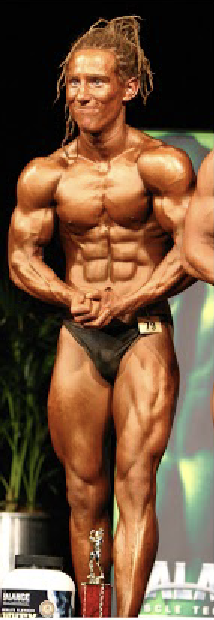
What followed was a shift into bodybuilding. A coach at a gym I had just started working at and training at (rehabilitating my knee mostly) noticed my physique and suggested I compete, and at the time it felt like a bit of a lifeline. It gave me something physical to chase again, a new outlet for discipline and achievement. Over four years that turned into multiple national titles and competing internationally. From the outside, it looked like success. Internally, something began to shift.
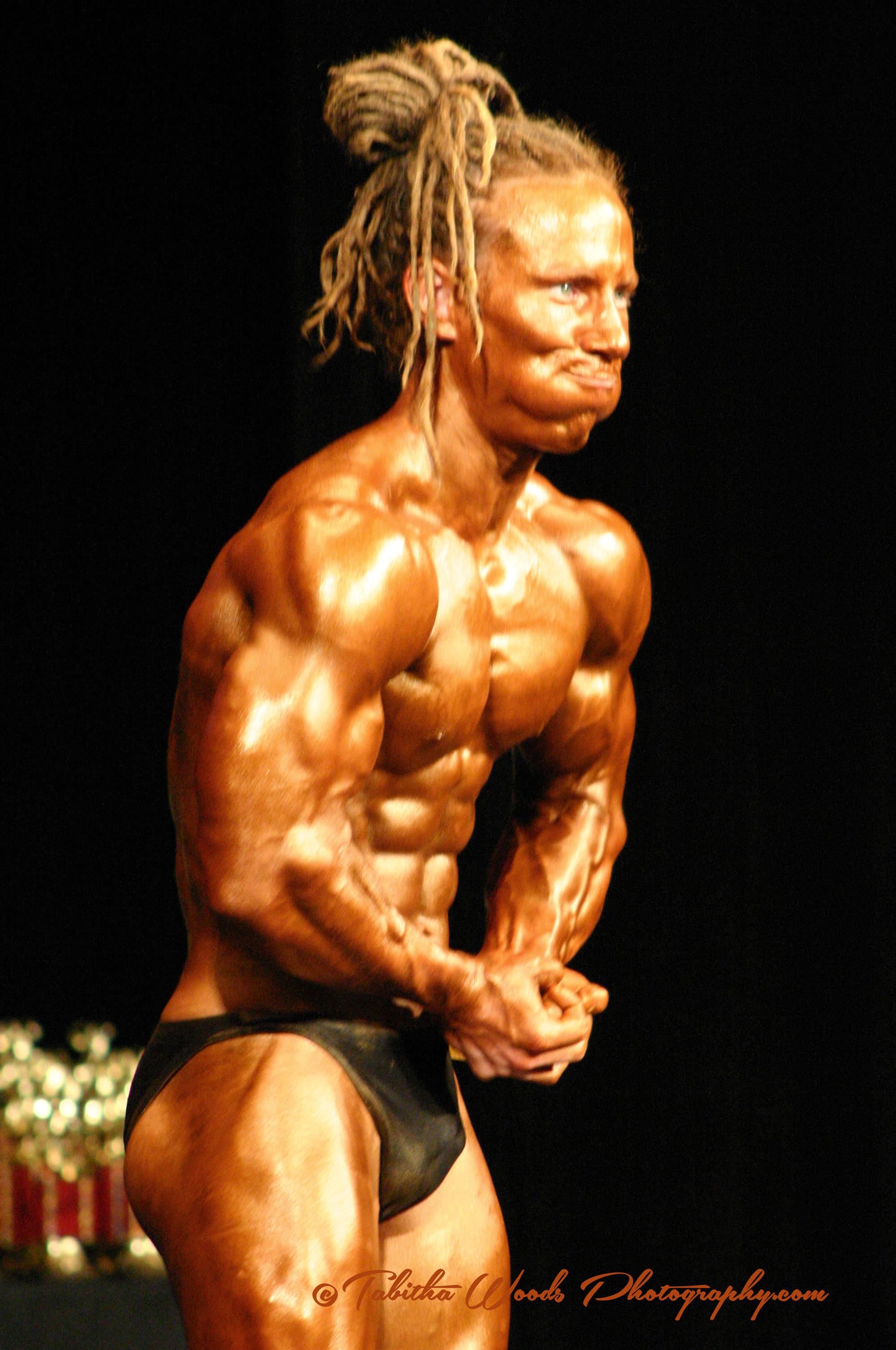
What started as a performance pursuit slowly became an appearance pursuit. And when your sport is literally judged on how your body looks, that judgement rarely stays external. My internal dialogue became more critical, more rigid, and increasingly focused on appearance rather than capability. Even in a body that would be considered highly “fit” by most standards, my relationship with it became less free and less sustainable.
If you’ve ever noticed your own standards shifting like that, where how you look starts to matter more than how you feel or perform, you’ll understand how subtle but powerful that change can be.
Funnily, where you focus, will actually change your outcomes, both physically and more importantly psychologically! Across multiple studies grounded in Self-Determination Theory, when exercise is driven by intrinsic factors such as enjoyment, competence, autonomy, and how you feel in your body, people tend to show higher long-term adherence and better psychological wellbeing. When motivation is driven primarily by extrinsic factors like appearance or weight, it becomes more fragile, more conditional, and less sustainable over time, particularly when life stress, injury, or plateaus occur (Ryan & Deci, 2000; Işıkgöz ., 2025).
What's super interesting and important to know is that exercise itself does not necessarily improve body image! When appearance becomes the dominant lens, it can maintain or even magnify body dissatisfaction, even in highly active people. In contrast, when attention shifts toward function and capability, people tend to report greater body appreciation and more sustainable engagement with movement over time (Alleva et al., 2015). How cool is that?!
Back to my journey…I started to notice the impact of this shift outside the gym. I played touch rugby, something I used to love, and felt slow, uncoordinated, and disconnected from my body. I went for a trail run (a generous term) and didn’t enjoy it. I felt sluggish, restricted, and uncomfortable. Those moments stood out because they conflicted with how I used to experience movement. If you’ve ever had that experience, where your body doesn’t quite respond the way you expect it to, or movement feels like effort instead of freedom, you’ll know how quickly that can change your relationship with exercise.
That became a massive turning point, or a deep dive into my relationship with what movement actually means to me. I realised that, for me, movement represents freedom. The ability to trust my body, participate in different environments, and do the things I enjoy without fear or hesitation. In a way, it brought me back to the idea of eucrasia. Not just being fit or capable, but being in a state of balance, physically and mentally, where movement supports your life rather than controls it.
That shift required a change in internal dialogue. Instead of constantly evaluating how I looked, I had to relearn how to interpret my body through function, capability, and experience. This is not about ignoring change, but about changing what it means. Bodies will change with consistent training. The question is whether that change is interpreted through judgment or through capability.
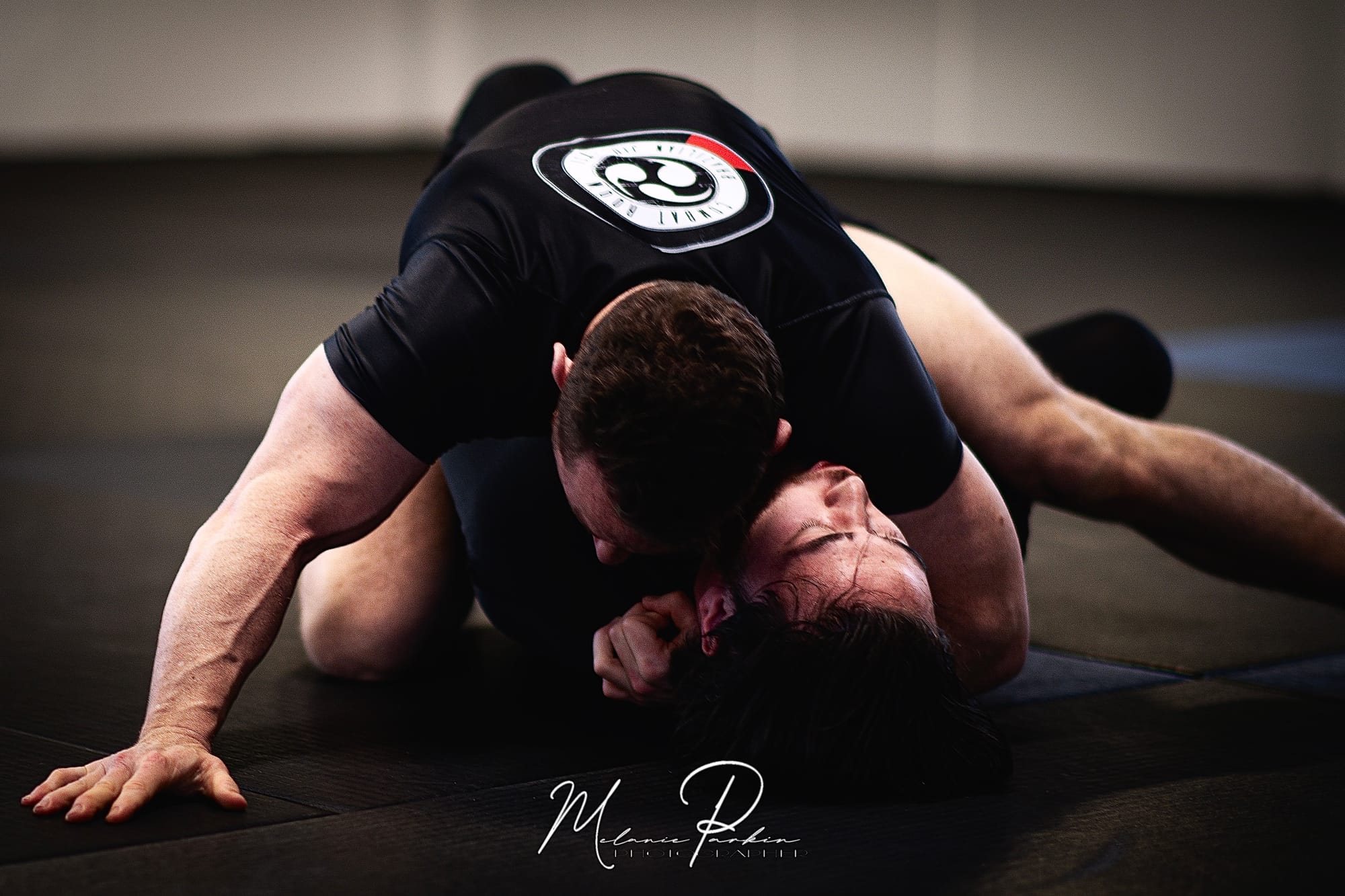
It also required a realignment between movement and what I actually enjoyed. I became far more playful and explored a wide range of movement practices, including capoeira, gymnastics, calisthenics, BJJ, trail running, parkour, and surfing, while still enjoying strength training, but now through the lens of getting stronger rather than changing how I looked.
Most people don’t sit at one extreme or the other. We all carry a mix of motivations. But where we place our attention matters, and importantly, attention can be trained. So, where does one start with all of this?!
A practical starting point is bringing focus back to function. Define performance in a way that actually matters to you. For some people that is sport, for others it is playing with their kids, reducing pain, building confidence, or simply feeling more capable in daily life. The key is that it is personally meaningful, not externally imposed.
Start by asking yourself what function means to you, and what you want to be able to do. Then align your training and fitness journey with that.
Once you're away, instead of asking how you look, ask what feels easier, stronger, or more capable this week compared to last week. Function is often a more stable and meaningful marker of progress than appearance.
Just as important is noticing your internal language. Research consistently shows that self-talk influences motivation and behaviour over time. The question is whether your internal dialogue sounds more like a coach, or a critic, and whether it is helping or limiting how you engage with your body and movement.
It also helps to build non-aesthetic markers of progress. Energy, sleep, mood, consistency, confidence in movement, and overall sense of capability often reflect real-world change more accurately than appearance ever will.
And importantly, expect some discomfort. The research is clear that body change itself is not the issue. It is the meaning we attach to that change that often drives dissatisfaction. Learning to sit with that discomfort, without letting it define your relationship with movement, is part of the process.
At a broader level, this is the environment that I am trying to create for my clients. Movement that is accessible, enjoyable, and safe, not just physically, but mentally as well. An environment where people are not defined by how they look, but supported in what they can do and how they feel.
And zooming out even further, it raises a bigger question. Imagine how different our relationship with movement, and with each other, might be if we spent less time judging appearance, both in ourselves and in others. It is hard to measure exactly what that would change, but it is easy to recognise how much mental space that currently occupies for most people.
From here, movement becomes less about control and more about capability and performance. And for most people, that’s where a new kind of competition shows up, not in the mirror, but in what you can do.
This is where things get really fun! There’s something quite powerful about being a beginner again, knowing you’re not great at something yet, and recognising how much there is to learn and improve, like the pursuit of a pull-up, seeing how much weight you can lift off the ground or testing the limits of your physical and mental limits in sport or endurance events! I’m excited for you.