More powerful than you can possibly imagine
Tena koutou! Megan here. Thanks to everyone who filled out the survey last week. Super helpful. We will report back soon.
This week, Carl and I spent our session mapping out the next few months, as I rehab my torn meniscus and slowly add load back at an appropriate and safe pace. (You can tell how excited I am, right?)
I was reading an article in the NY Times about glutes, and this bit stuck with me: people with weak glutes often lean forward on stairs, rely on the handrail, and can end up with tight hamstrings, calves, or knee pain as far down as their feet - because everything else is compensating for what the glutes aren't doing.
Tight hamstrings and calves? Check. Forward lean? Check. Knee pain? Bless.
And I was confused, because my glutes are objectively strong. I've been regularly squatting 100+ kilos for years now.
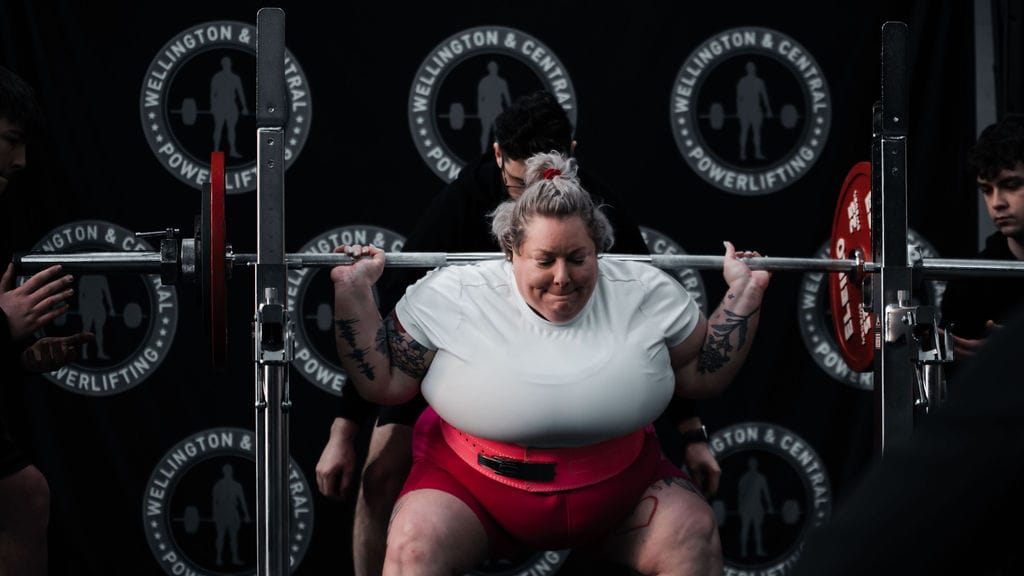
But when Carl and I talked about it, we realised that while that's true, maybe my glutes aren't firing right in other movements - particularly walking. Carl explained that my muscles are good at one thing - slow, heavy movements - but the other things they should be doing: endurance, stability, mobility, generally not being whiny bitches? Not so much.
Riley, my physio described it like this. The body is a team. And my glutes are showing up to work, ready to go. But since no one has told them what to do yet, they’re twiddling their thumbs, staring out the window. Not their fault, no one hAS trained them on the system.
Like good team members, my knee and calf and quads are picking up the slack. If you’ve worked in a team like this, you’ll know it’s only a matter of time before someone snaps and complains about the dude who’s not pulling his weight. B
The fun thing is? That's totally something we can fix. So now, this isn't boring rehab where I do 3 sets of 10 single leg RDLs with an 8kg kettlebell. This is reprogramming how my body moves. This is taking the muscle fibres I've been neglecting and making them stronger too.
It's not just re-building. It's getting stronger and more mobile overall.
Am I channeling Darth Vader this week? Maybe a little. In temperament, if nothing else.
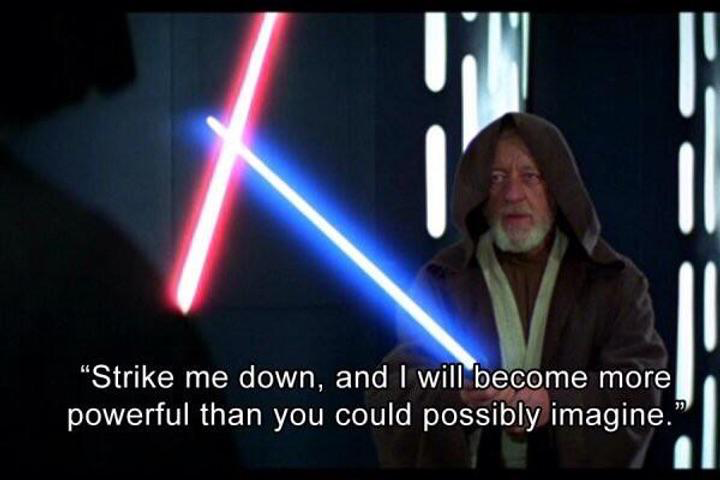
One of the things injury does - especially as we age - is make us ask "what is this robbing me of" rather than "what's the opportunity here."
I'm generally an optimistic person, and there's enough research behind it that I try to hold onto that. But six months of being in pain has knocked it. It made me wonder if hobbling is just my life now.
So this reframe - realising I can come back stronger - was much needed, and very welcome. Does it mean I love doing step ups, or feeling my legs ache after a 15-minute walk? No. But is it enough to get me to do the rehab most days? Yes.
Carl likes to say that I'm super resilient, and I'm always slightly embarrassed when he does, because he doesn't see the tears, the sulking, and the snapping at my partner when I'm sore and tired and bored and frustrated.
(He has absolutely seen the tears.)
Resilience doesn’t mean you walk through life not feeling any pain, though. It means that sometimes, life kicks you in the shin, but you get back up and keep on going, having gotten a little stronger. This week in the gym, doing my little banded penguin walks and fire hydrants, felt like getting back up.
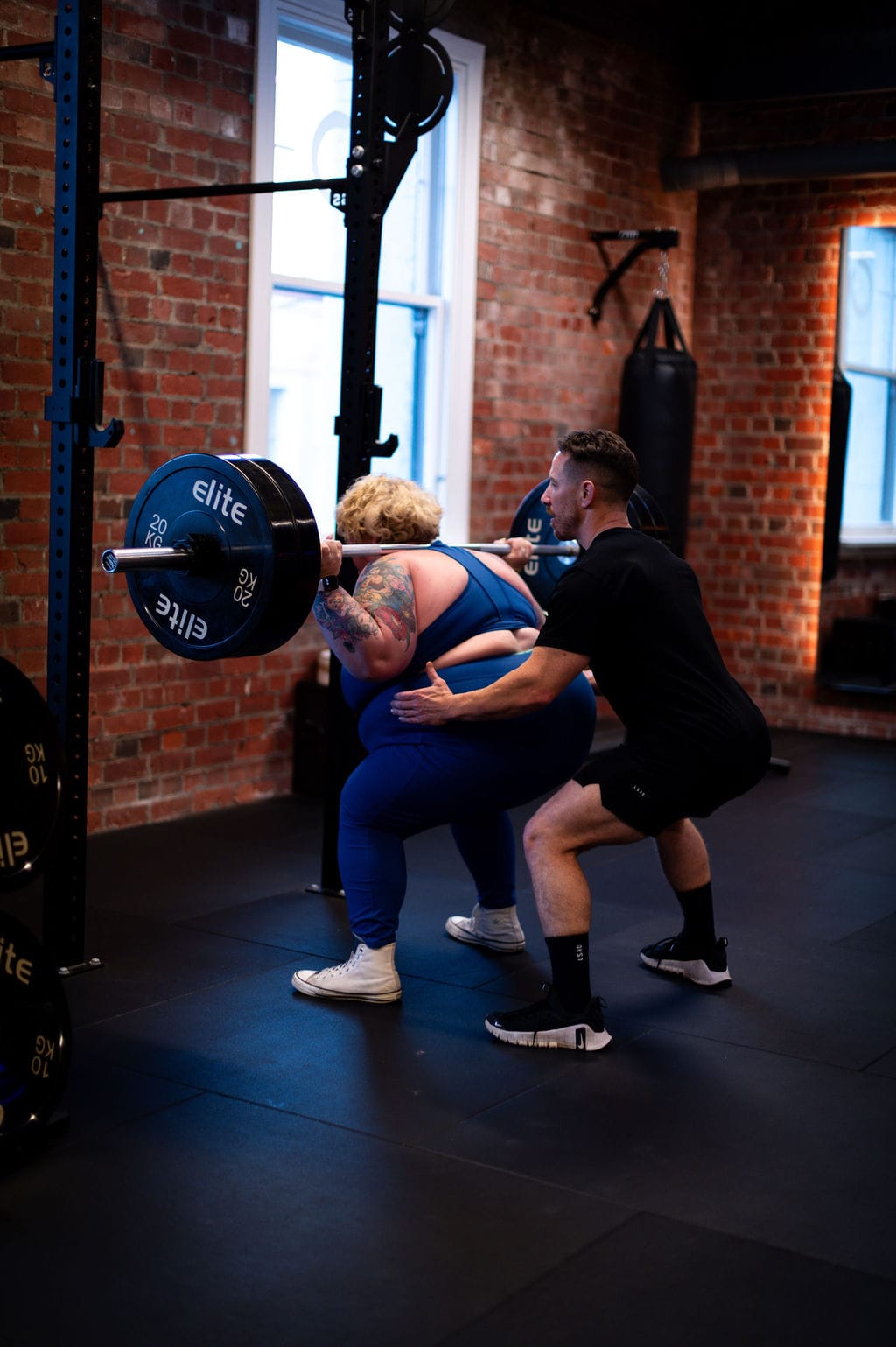
Carl here – Megan, you are resilient, but that doesn’t mean being stone-hearted or lacking vulnerability. In fact, acknowledging your vulnerability is an important part of resilience.
Regarding your knee and the experience of a “weak glute,” you’ve highlighted a crucial point: strength is context-dependent. First, your glutes are not weak, there’s no way you could squat what you did if they were. What we’ve likely identified is that they may lack endurance in certain functional contexts, such as walking or standing for prolonged periods. Strength and conditioning is context-dependent!
Also, let’s take a step back with a quick anatomy and physiology recap. Our muscles contain different fiber types:
- Type I (Slow-Twitch): Slow contraction, fatigue-resistant, primarily involved in postural stability and endurance tasks such as walking, standing, and maintaining posture (Schiaffino & Reggiani, 2011).
- Type IIa (Fast Oxidative-Glycolytic): Faster contraction than Type I, moderately fatigue-resistant, supporting intermediate tasks like brisk walking or short bursts of power.
- Type IIb (Fast Glycolytic): Very fast contraction, fatigues quickly, produces high force, and is involved in high-power movements like sprinting, jumping, and heavy lifting.
The glutes consist of three main muscles:
- Gluteus maximus (the big glutes): Predominantly Type II fibers, ideal for explosive hip extension, sprinting, jumping, and loaded squats.
- Gluteus medius and minimus (side and deep glutes): More Type I fibers, essential for stability, posture, and hip abduction, especially during single-leg stance, walking, or balance tasks.
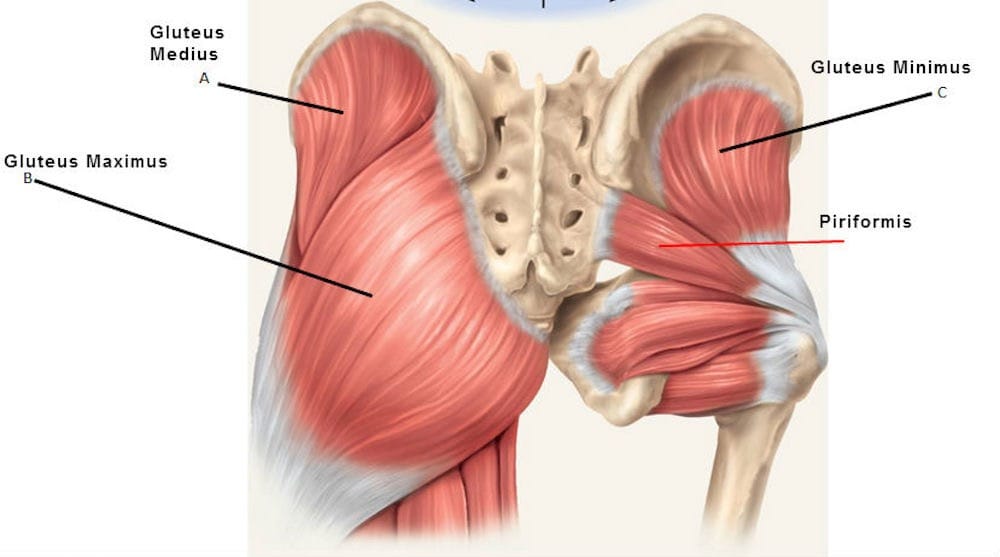
This explains why you can generate significant force during heavy lifts but still feel unstable while walking or standing.
On top of that, when you’ve had a joint injury, the body has a clever (but sometimes unhelpful) response called arthrogenic muscle inhibition (AMI). This essentially dampens the activation of muscles around the joint as a protective mechanism (Rice & McNair, 2010). Great in the short term, less helpful if it hangs around, because those stabilising muscles stop doing their job properly.
This is exactly why we use “primer” or activation exercises in your programme. These aren’t about building strength in the traditional sense, they’re about reminding the right muscles, and the right fibres, to switch on at the right time.
My approach to this is pretty simple:
First, identify the muscle and the specific context where it’s underperforming.
Then, prescribe an exercise that matches both the muscle and the task.
That exercise is done before your main work, to facilitate activation, essentially giving your nervous system a nudge in the right direction.
These are typically low load, simple, and higher repetition. The goal is activation, not fatigue. We’re not trying to smash the muscle, we’re trying to improve its contribution.
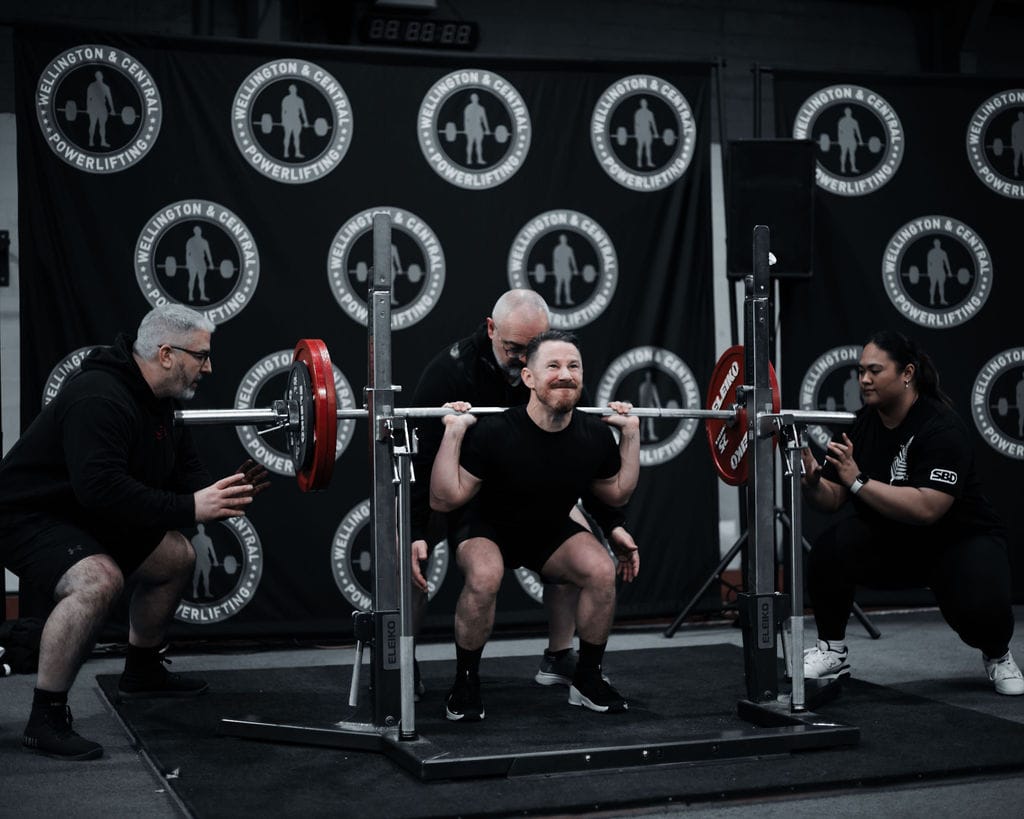
Think of it like an orchestra where a few instruments need to find their timing and rhythm before the full piece starts. You don’t fix that by making everyone play louder, you fix it by getting each section to switch on at the right time.
In your case, the banded side steps (or “penguins”) are a great example. They’re upright, so they match the context of walking. They’re low load, so we don’t override the system with fatigue. And they’re done for time, so we tap into those endurance-based fibres.
Not only do they “wake the muscle up,” but they also improve your awareness of it, making it easier for your brain and body to recruit it when it actually matters… for example, during *perambulation.
*I’ve learned a new word and will be finding every opportunity to use it. Don’t be surprised if I start slipping in a “word of the week” to keep you all on your toes.
Ultimately, what this highlights is that strength isn’t just about how much you can lift, but how well your body can use that strength across different tasks. Megan’s experience shows that you can be objectively strong in the gym, yet still have gaps in endurance, stability, and muscle coordination in everyday movements like walking. By understanding the science, this may help you on your journey and clarify the method behind the madness of the rehab process.
Rather than just rebuilding, this becomes an opportunity to improve how the body moves as a whole, creating strength that is not only powerful, but also adaptable, and functional in real life.