The Mindset of a World Champ
We slid into a world champion’s DMs (Part 2: The Brains)
Tena koutou, team!
In case you missed it, last week we talked to world champion (and GP, current silver medallist, and owner of a 262kg deadlift) Karlina Tongotea about the actual mechanics of how she trains - the colour-coded blocks, the “training debt,” the weight class change.
This week: the brains. The mental side of what she does might be even more interesting than the physical side.
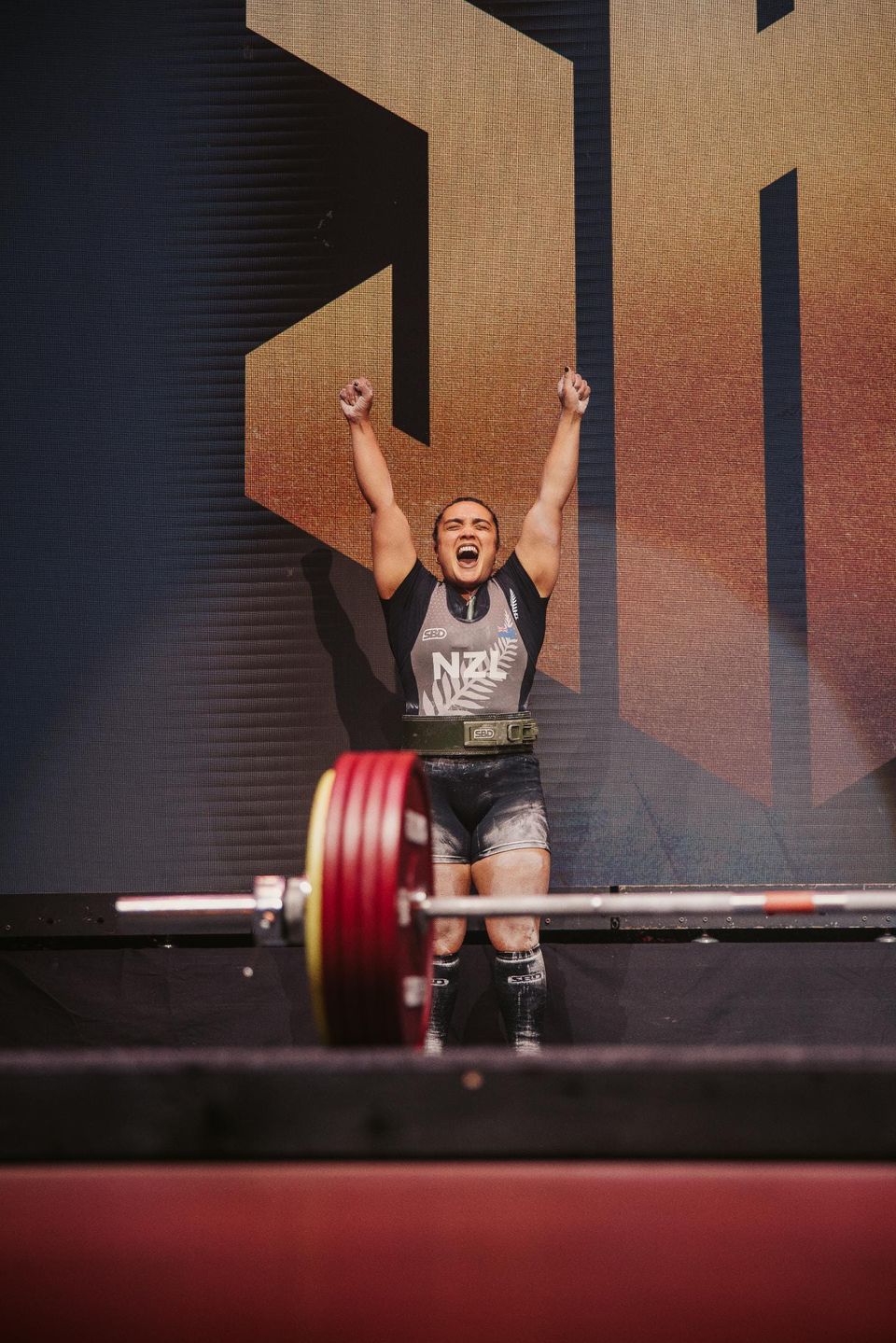
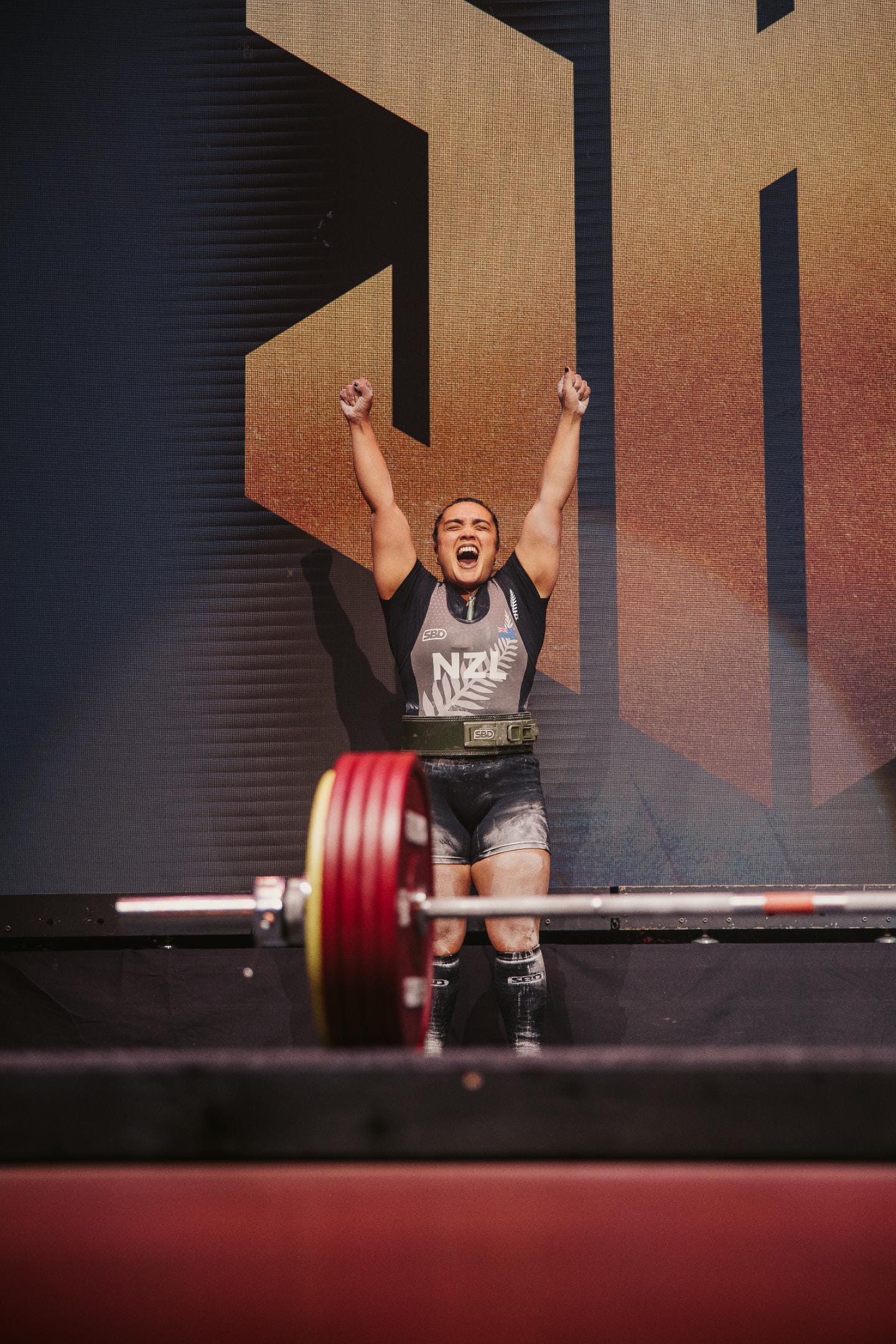
Like every athlete, she’s missed a lot of lifts on some of the biggest platforms in the world. What does she actually do in the ninety seconds after that happens?
“My day job is a doctor, and that can be very stressful at times,” she told us. “And so for the longest time, just sort of literally stopping and deep breathing has been like a good reset, just to try and slow my heart rate down.”
On the platform, she talks herself through it just as plainly: “There’s always something way worse than this. This is just a mislift and you have another chance.” The moment she lets herself sit in the frustration of a miss, she says, is the moment it gets much harder to walk back out and take the next one. So she doesn’t go there. (“I just complain to myself,” she said, deadpan, when asked how she really feels about a bad call from the judges.)
She’s refreshingly honest about where that composure comes from, too - and it isn’t some innate talent. She’s 33, started the sport at 26, and reckons age and life experience are doing more work than people give them credit for. At one of her first major competitions, she watched two very different reactions play out in the junior categories. One athlete was sprinting around the warm-up area, having the time of her life, completely unbothered by any of it. Another missed a lift and visibly spiralled - and later admitted she’d noticed how much calmer the older lifters seemed by comparison.
“You’ve been through some stresses. You’ve been through exams, you’ve been through hard things,” she said. A missed lift just doesn’t carry the same weight once you’ve already survived a few genuinely hard things in life.
Interestingly, none of this came from her coach. Dom handles the programming, but he’s largely hands-off on the psychology - by her account, mostly because he trusts her to manage her own head. “He doesn’t play too much into the mental side of things,” she said. “A little bit stoic in that way. Leave me to my thing and I’ll do it.” The mental toolkit she actually brings to the platform traces back further than powerlifting altogether - to childhood, and years of netball, coached for most of it by her own parents.
That netball background shaped more than just her mindset - it shaped how she handled the move into an individual sport altogether. She played from about age six through university.
What made the transition into powerlifting actually work wasn’t just finding a good coach - it was finding one who already had a training squad. Even though powerlifting is fundamentally a solo sport, she landed back inside a genuine team environment, training alongside some of the country’s best lifters, and kept the camaraderie even as the actual competing became something she does entirely alone.
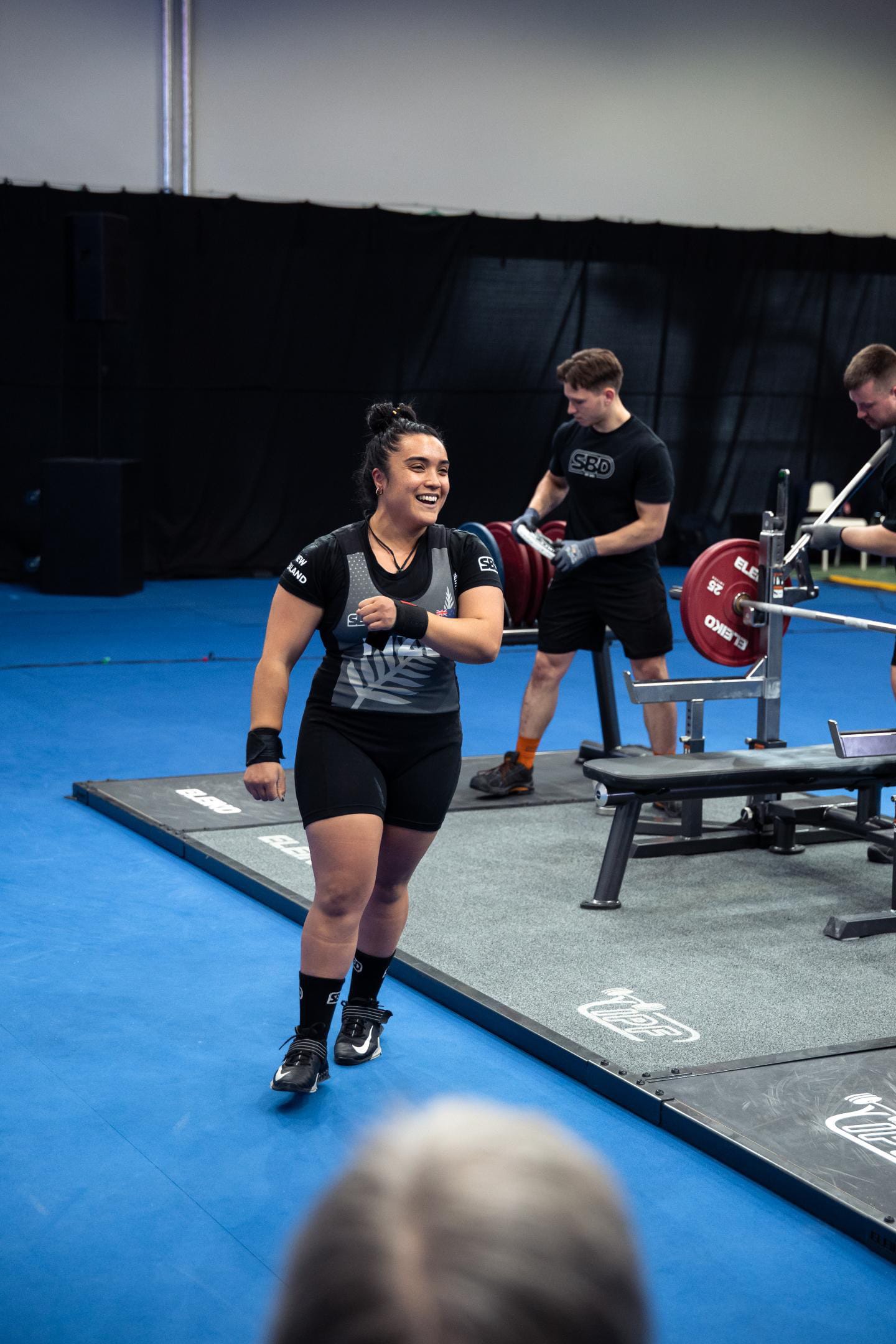
That tension - being part of a team, while also being the only person who can take the lift - is something she’s had to make peace with on purpose. Her strategy in competition is almost the opposite of leaning into the crowd’s energy: headphones on, eyes down, deliberately shutting out everyone else’s attempts so she can stay in her own lane. She mentioned watching footage of an elite lifter who tracks the entire competition in real time while it’s happening around him, blogging his own attempts as he goes, and finding the whole thing baffling. “What the hell? How can you do that?” (Her working theory: it’s a lot easier to relax and enjoy the room when you’re 100 kilos ahead of everyone else in it.)
Her relationship with chasing outcomes versus enjoying the process has shifted a lot over the past year, and it ties directly back into a weight class change. For a long time, training was driven by chasing specific numbers - a world record, a total - and she’s learned the hard way that those rarely show up on the timeline you want them to. Her approach now is to hold two slightly contradictory things at once: train as though the very next competition really could be the one, while also accepting it usually takes longer than hoped. “You’ve got this competition that you’re training for,” she said, “and you’ll always need to be, like, a little bit delulu about your goals.”
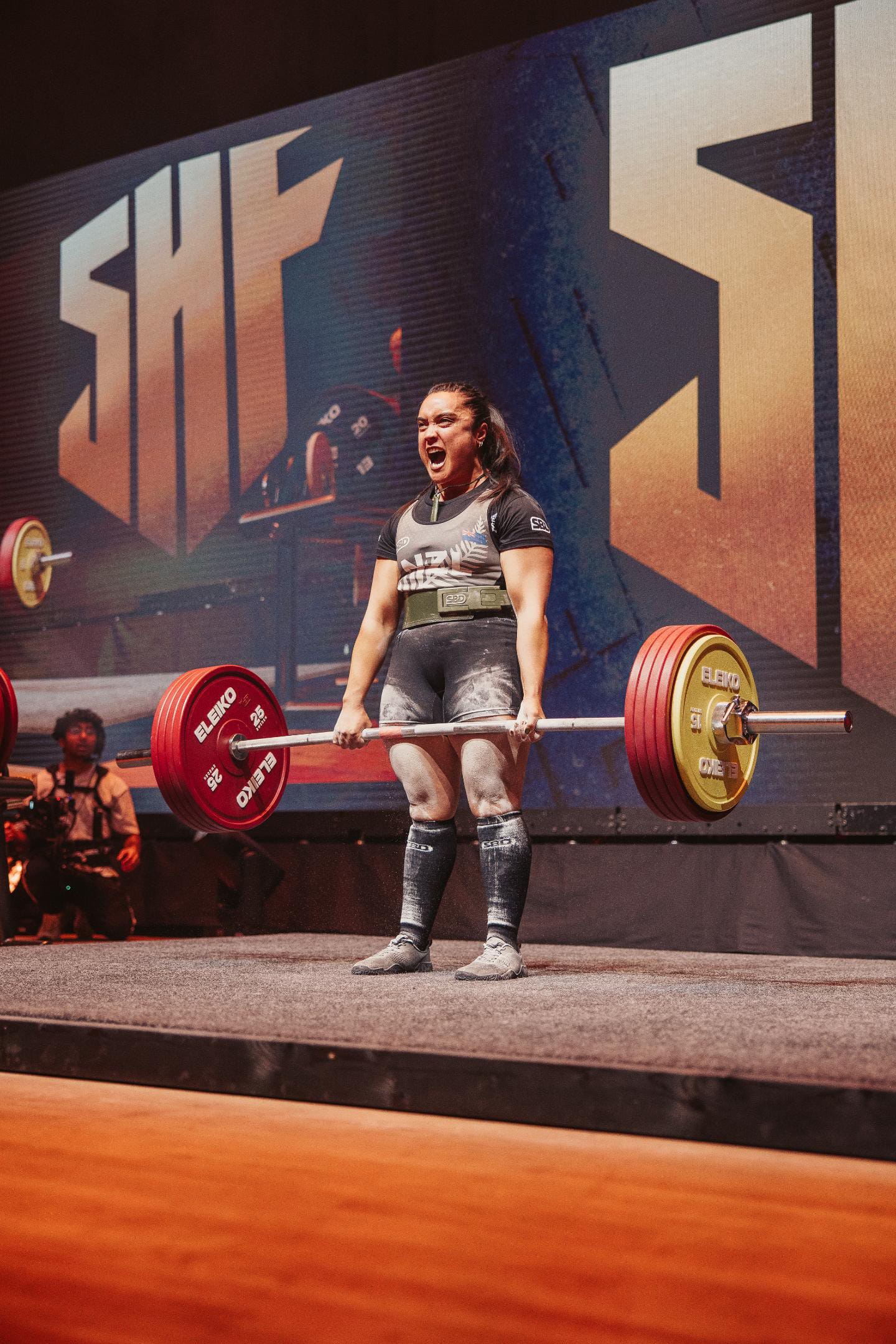
She used to be quietly critical of athletes who broke world records by the smallest possible margins - wondering why they didn’t push further - until she was in a position to chase one herself, and realised how genuinely hard it is to break a record even once, let alone repeatedly. Breaking your own personal best by a single kilo, she reckons now, deserves just as much respect as a headline-grabbing record, even if it doesn’t get the same attention.
That shift toward the process mattering more than the outcome showed up clearly this year, once she’d moved up a weight class and competed fully fuelled for the first time. She talked about actively trying to find the fun in it again - and the training cycle heading into this year’s Worlds was the first in a long time where she wasn’t constantly having to talk herself into believing things would be okay. “There’s so much more freedom to just enjoy the process,” she said, “have fun, and enjoy it before the outcome.”
She’s just as direct when the subject turns to people who aren’t competitive lifters at all - specifically, anyone who’s ever felt too intimidated to walk into a weights room. She remembers that exact feeling herself: sticking to the small, unthreatening corner of a commercial gym instead of venturing onto the main floor.
What actually changed it wasn’t confidence arriving on its own - it was asking a PT to show her how to use the rest of the gym. A couple of sessions in, the confidence to go back on her own followed naturally. Her advice to anyone in that position now is simple (and very Gains & Brains!): you don’t have to figure it out alone, and you definitely don’t have to be brave enough to walk over there by yourself on day one. Just ask someone.
She’s not such a different species after all, maybe. Just a lot more reps in.