Strength Training for Xmas Lunch
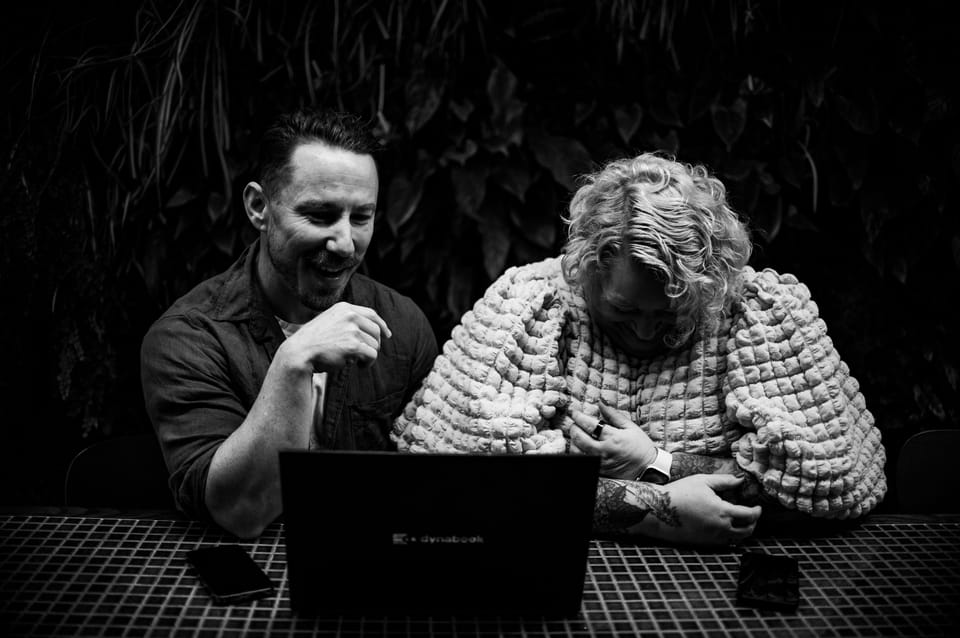
As you’re reading this, you’re probably on the wind-down to Christmas – a few mince pies in, the bowl of scorched almonds in permanent place on the kitchen table. In my (Megan’s) house there’s also cherries and other stonefruit.
The other thing that happens at this time of year is family. Love them as much as we might, for lots of us the thing that comes up when we’re around them is the general topic of weight and health – and not always in a way that’s positive or constructive.
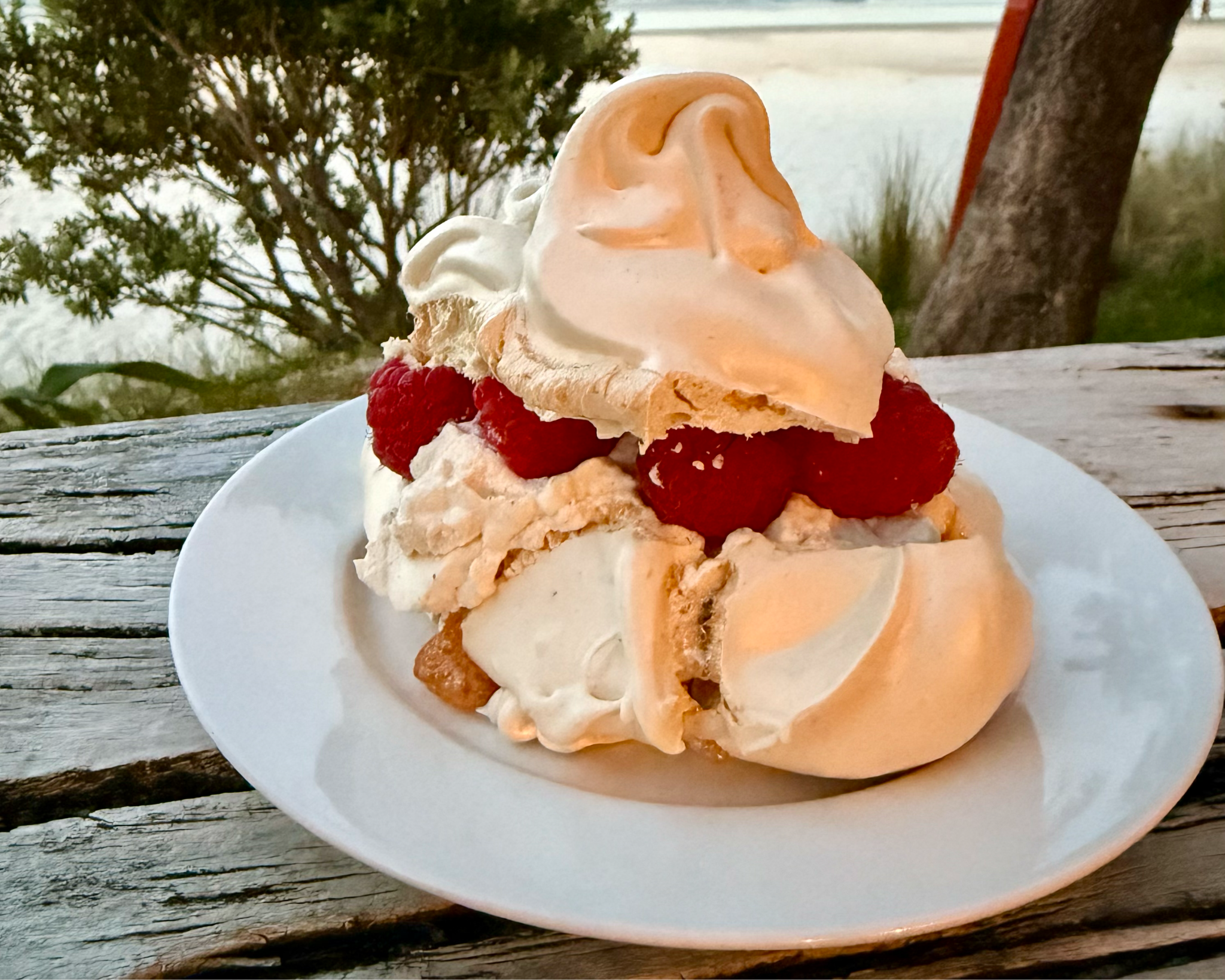
So, this week, we thought we’d arm you with some helpful responses for when Auntie Sybill inevitably asks if you really need that second helping of pavlova. (Yes, Auntie Sybill, I do. The carbs are fuelling the teeth-gritting that is stopping me screaming at Uncle Barry.)
The thing worth holding in mind is context. Many of our parents, aunts and uncles, and grandparents have lived with decades of diet culture. They survived Weight Watchers and Jenny Craig, Jane Fonda and Jazzercise, and “nothing tastes as good as skinny feels.”
We know better now (after all, you will never convince me being skinny tastes better than a perfectly ripe Granny Smith apple), but unlearning that shit takes time and is hard. Give them – and yourself – a little grace. Just remember: grace doesn’t mean tolerating bullshit that’s harmful or setting you back in your own journey.
So. After your mum has sighed and asked you for the tenth time if you’ve lost weight since she last saw you, what do you actually say?
On a good day – when you have the energy – you can be a grown-up about it. You might say something like: “You know, this conversation upsets me. I know you think you’re looking out for my health, but it feels to me like you’re policing my body, and that makes me sad. Can we agree not to talk about this? Because if we can’t, it makes it hard for me to want to spend time here.” Bonus points for a genuinely curious, “What do you think is actually worrying you?”
That’s the mature, decades-in-therapy Megan talking.
On days when you have less patience – but would still like to retain the moral high ground – a little calm pettiness can be surprisingly effective. The classic goes like this:
“Gosh, you look like you’ve put on a few pounds.” “What an odd thing to say out loud. What were you hoping to get out of saying that?”
It’s fun to watch people’s faces change as they realise they’ve said something genuinely offensive.
Another favourite:
“But losing weight would be better for your health.” “Woah! when did you get a medical degree? I must have missed that. Tell me all about it. ”
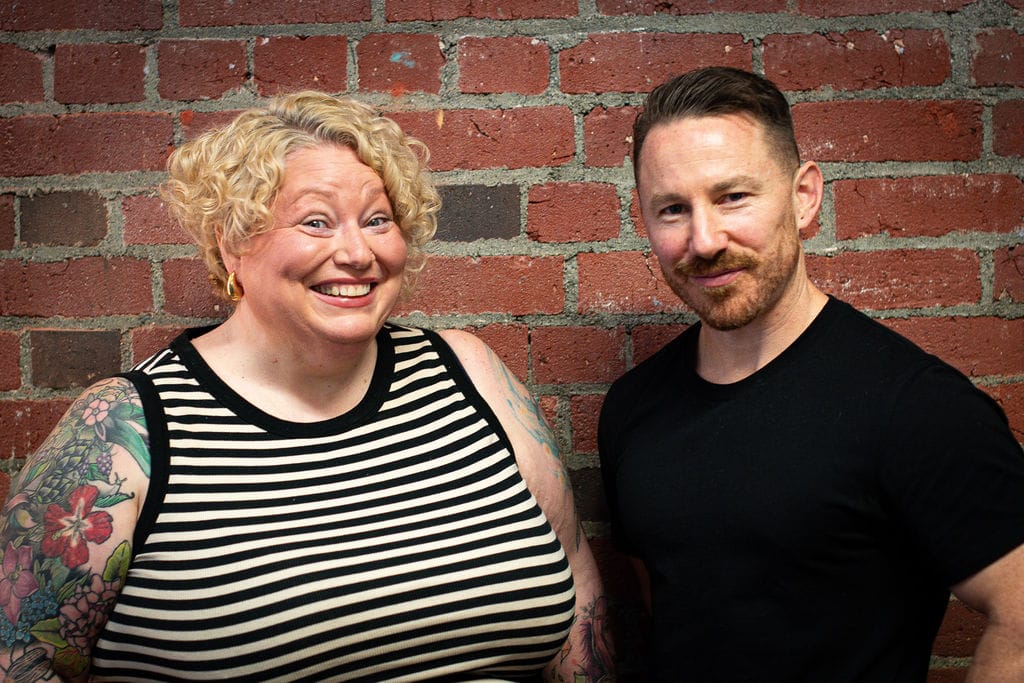
These responses come from a tired and a slightly mean place. From the Megan who has spent the better part of fifty years fielding unsolicited comments about her body, usually disguised as concern or a “joke.” That Megan is very done with these conversations. Sometimes her strategy is even simpler: “Nah, I’m not talking about this,” followed by walking away. It’s Christmas. There are always dishes that need doing somewhere.
If you’ve subscribed to this newsletter, the odds are pretty good you work out (yay, love that for you!), which means you may get a real special genre of comment: “How come if you spend so much time in the gym, you’re not skinnier?”
The cue here is to switch it up. “I’m actually focused on building muscle at the moment.” If you feel like it, you can then explain the difference between hypertrophy, strength, and power until cousin Luke regrets ever having brought it up. This also works with “I need food to fuel my training,” or, outside the gym context entirely, “I’m actually focused on enjoying this delicious meal with people I love.”
And if all else fails, humour is a timeworn coping strategy. “Yes, Auntie Sybill, I am having seconds of pav. If I don’t, an elf somewhere will get a bad performance review, and no one wants that.”
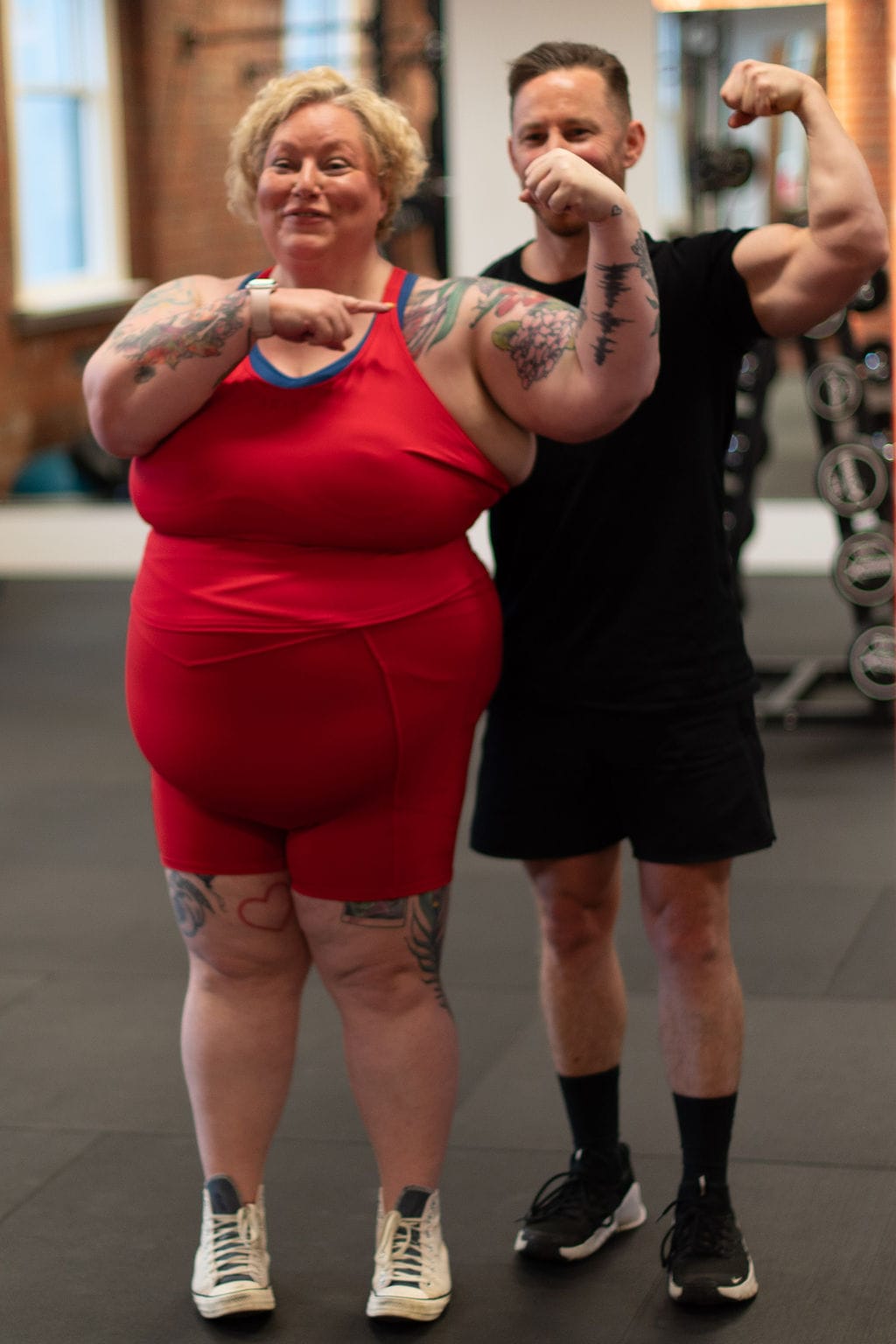
And if your family is genuinely harmful, you are not actually required to spend time with them. You can decide, as an adult, that their behaviour is unhelpful and excuse yourself from Christmas lunch. It’s hard, but it’s doable and, in the long run, often a healthier choice. It’s the nuclear option, sure – and one that’s probably best made with the support of a mental health professional. (Which, disclaimer, we are not. We’ve just got a lot of lived experience of these conversations and their ilk.)
The thing I come back to is this: I don’t have to win the argument. I’m a grown-ass lady making good decisions about my health – and so, probably, are you. Deflecting these conversations isn’t about avoiding the topic. God knows I will bore people senseless about strength training given even the tiniest iota of interest. It’s about protecting your nervous system and your appetite for roast potatoes.
You don’t owe anyone a thesis, documentation of your trauma, or a performance of wellness. Unlike how I felt for much of my adult life, I don’t have to justify my body to anyone.
Except maybe Carl. But only because he has a professional interest in me getting super jacked. So, Carl – weigh in here (pun absolutely intended): if we did want to win the argument, what are we saying?
Alright, Megan, I’ll happily step into the Christmas arena.
Firstly, it’s worth noting that I’ve arrived at the same perspective as Megan, but by a very different path. Mine came from a place of body glorification. In my family, physical ability was always celebrated, but so was how good you looked while doing it, through both explicit and unspoken messages.
My body has long been something up for judgment, at school, in sport, and very literally in natural bodybuilding, where I became a multiple national title holder. Ironically, it was at the peak of my bodybuilding career that I realised how unhealthy my relationship with my body had become. My relationship with both movement and food was off.
Here is a link to a video of me talking on this in more depth.
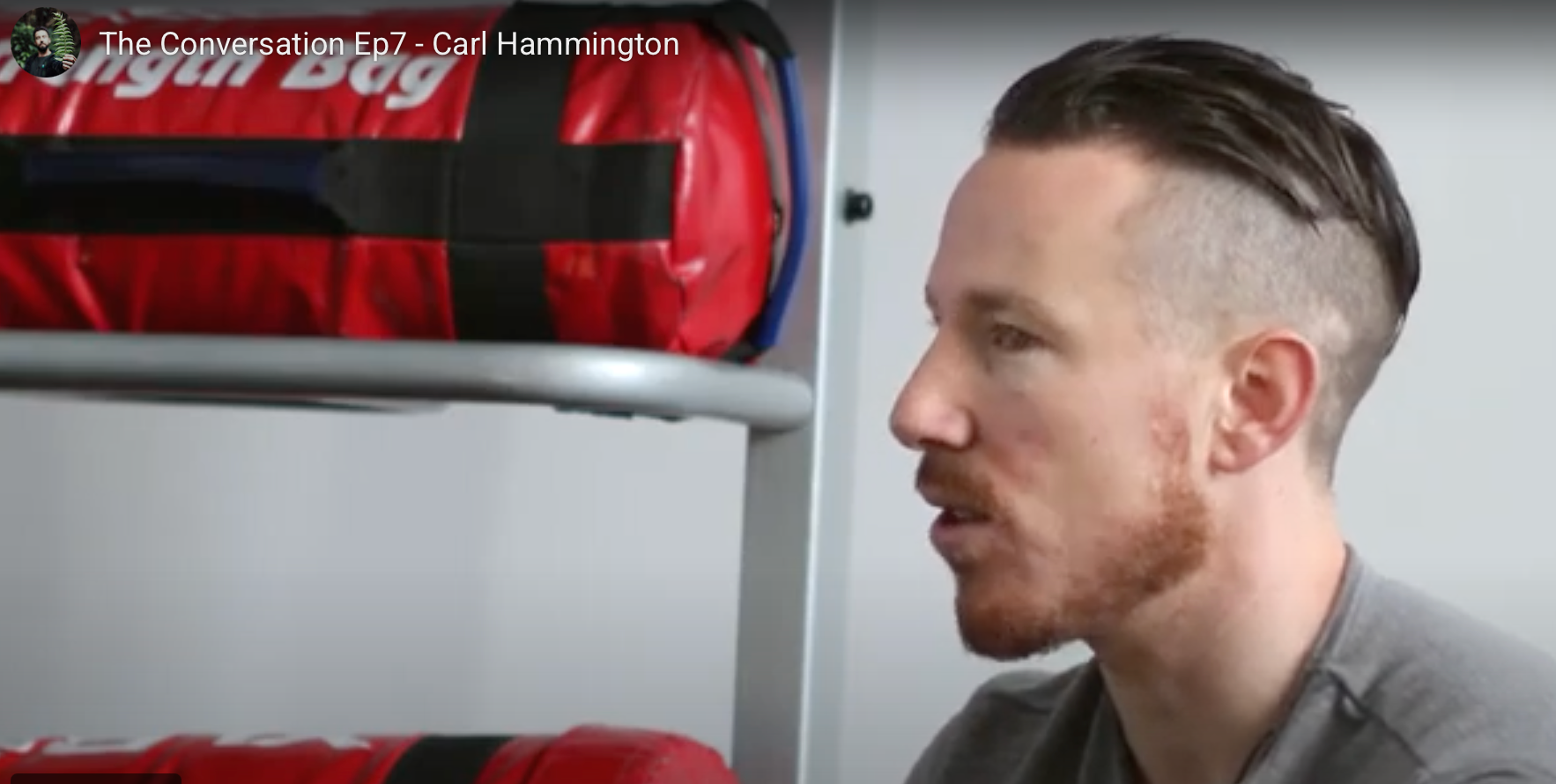
That realisation was the turning point. By bringing awareness to it, I could finally shine a light on what needed work. What followed was a new perspective, one that’s more grounded, healthier, and far better informed. With that context, here are my thoughts and some facts worth having up your sleeve.
If we did want to win the argument, here’s the calm, science-backed version. One to keep in your back pocket for when Auntie Sybill starts confusing concern with commentary.
First, the big one. Body weight is a blunt instrument. It tells us very little about health on its own. Two people can weigh the same and have wildly different blood pressure, insulin sensitivity, cardiorespiratory fitness, bone density, muscle mass, sleep quality, stress levels and injury risk. This is why modern health research increasingly looks beyond the scale.
Large population studies consistently show that cardiorespiratory fitness and strength are stronger predictors of health outcomes than body weight. Being fit but not thin is associated with a lower risk of cardiovascular disease and all-cause mortality compared to being thin but unfit. In other words, the treadmill and the barbell are doing more heavy lifting for your health than the bathroom scale ever will.
If you want receipts, Barry et al in Progress in Cardiovascular Diseases found that fitness largely mitigates the health risks traditionally attributed to higher body weight.
Ortega et al in the British Journal of Sports Medicine showed that muscular strength is inversely associated with mortality, regardless of BMI.
Second, the Christmas-specific fear. Short-term eating changes do not equal long-term fat gain. Weight fluctuations over holidays are mostly driven by glycogen, fluid shifts, gut content and salt intake. Carbohydrates are stored with water, roughly three grams of water per gram of glycogen. Translation. Pavlova today can mean a heavier scale reading tomorrow without any meaningful change in body fat.
Even the research on holiday weight gain shows the average increase is small, often less than half a kilo, and much of it is lost in January when normal routines resume.Yanovski et al in the New England Journal of Medicine.
Third, and this one tends to short-circuit the health argument nicely. Intentional weight loss does not reliably improve long-term health for most people. Dieting leads to weight regain in the majority of cases, often accompanied by loss of muscle mass, reduced metabolic rate, and a more fraught relationship with food. Repeated cycles of loss and regain, weight cycling, are associated with poorer health outcomes than weight stability. Mann et al in American Psychologist & Montani et al in the International Journal of Obesity.
Meanwhile, behaviours we actually care about are: regular resistance training, daily movement, adequate protein, fibre, sleep and social connection. These improve health markers with or without weight loss.
Which brings us neatly to the gym question. If you train so much, why aren’t you skinnier?
Because training isn’t always weight loss. It can be a capacity-building. Strength training improves insulin sensitivity, bone density, balance, power, mental health and reduces injury risk. It increases lean mass. Muscle is metabolically active, yes, but more importantly, it’s functionally useful. It lets you age with healthspan.
If you want a line that’s factual and unarguable: I’m training for strength and long-term health. Weight loss isn’t my goal.
If you want one that educates just enough to be annoying: I’m prioritising muscle mass. It’s protective as we age and is strongly linked to lower mortality.
And if you want to gently turn the mirror back without lighting a fuse: I know you’re worried about my health. What about my health are you concerned about specifically?
I like the last one, but I understand that it may open up a conversation that you may not have the energy for.
Because here’s the quiet truth beneath all of this. Most comments about weight are not about health. They’re about fear, learned beliefs and decades of diet culture masquerading as care. Understanding that context helps you respond with compassion, but it does not obligate you to participate.
You’re allowed to eat pavlova. You’re allowed to lift heavy things. You’re allowed to enjoy Christmas.
You don’t owe anyone a defence of your body composition.
You're allowed to build muscle to carry your boundaries and a full plate at the same time.
Cool Shit We Saw this week
Is your smartphone ruining your gains?
Truly, the vagina is magical.
We all lift here, right? Our brains are basically shiny and new.
A hard workout helps defend us against stressful events for 45 minutes! And it's dose-dependent. Meaning the harder you train, the more of a buffer against stress you receive.