
Progression
I got talking to a lovely woman in the gym a couple of weeks ago, as I do, and the conversation led to something like this:
“Sometimes I think maybe I can lift more, but then my back twinges and I don’t want to.”“Well, you should absolutely listen to your back. But I would say two things. Firstly, women are almost always capable of lifting more than they think, in my opinion. And secondly: progressive overload, baby.”

As ever, over to Carl for the technical deets on progressive overload, but my personal definition is this: every time I am in the gym, I am aiming to get a little bit stronger.
Or, a little more fully, I do, say, eight reps of something at 5kg. When I can do 12 at 5kg, I move up and do eight reps at 7kg. When I can do 12, I go up again. And so on, and so on.
There is a whole bunch of really cool science behind this - how the body adapts to stimulus over time, and how our nervous systems learn to tolerate load. How strength isn’t just muscles, but also confidence and coordination.
But progressive overload appeals to me because I am the kind of person who likes getting a little bit better all of the time. It scratches something deep in my brain - the perfectionist, the competitor, the people pleaser (my therapist has a field day with that).
To be honest, it also rarely looks like that tidy example above. Sometimes progression looks like cleaner reps with better form. Sometimes it looks like more time in a pause at the bottom of a squat. Sometimes it’s feeling less gassed, or needing less rest. Or even recovering better.
Sometimes it looks like having the confidence not to push past a twinge in the back, because you know you’re getting stronger in all kinds of ways.
But that adaptation is kind of magic. People occasionally ask me if I am scared putting, like, 150kg on my back. And yes, of course I am sometimes - that’s a shit-tonne of weight.
But I am also not. I know that if I am doing 150kg, I’ve already done four reps at 140, eight at 120, ten at 100kg. I know that my body is capable of this lift, because it has already shown me that it is.
One of the joys of having been in the gym for a while is that I’ve stopped needing to justify why I want to be strong.
Sometimes it’s just for the joy of it. Or to be stronger than most of the men in my life.
Maybe I am building more power. Maybe it’s a competition. A goal I have set - to bench 80kg (working on it).
It’s not just about constantly pushing, adding a plate every week, and going hard every time I am in the gym. Waking up sore and stiff, with aching joints (perimenopause is doing enough of that already).
That’s where the conversation with my body comes in. It’s asking, “what can we achieve together?”
Some days that means adding weight to the bar. Some days it simply means moving well. Or moving at all.
Both count. Progressive overload isn’t really about adding more for the sake of it. It’s about building trust in what your body can do.
Which is probably a good moment to hand over to Carl - who will explain, in actual scientific terms, why this works (and why your nervous system is doing more heavy lifting than you think).
Carl here
One of my favourite topics and along with consistency. Progressive overload, is the key to training gains! I actually managed to jump in at the end of this lovely and useful conversation with Megan and the HealthFit member.
Firstly, I was so proud of how Megan answered this with science, experience and also with a balanced perspective that wasn't a black and white ‘this is the way it is’ answer (if someone does that, it's a massive red flag, unless they are at the cutting edge of the research themselves). And secondly, I couldn't wait to flesh this out in our newsletter this week as I think it is something that every person who trains should understand.
As Megan stated, progressive overload isn’t just adding weight every week or chasing numbers for ego points. It is about incremental adaptation, building strength, coordination and confidence, while listening to your body. Let’s dig into the science behind why it works and some tools you can use.
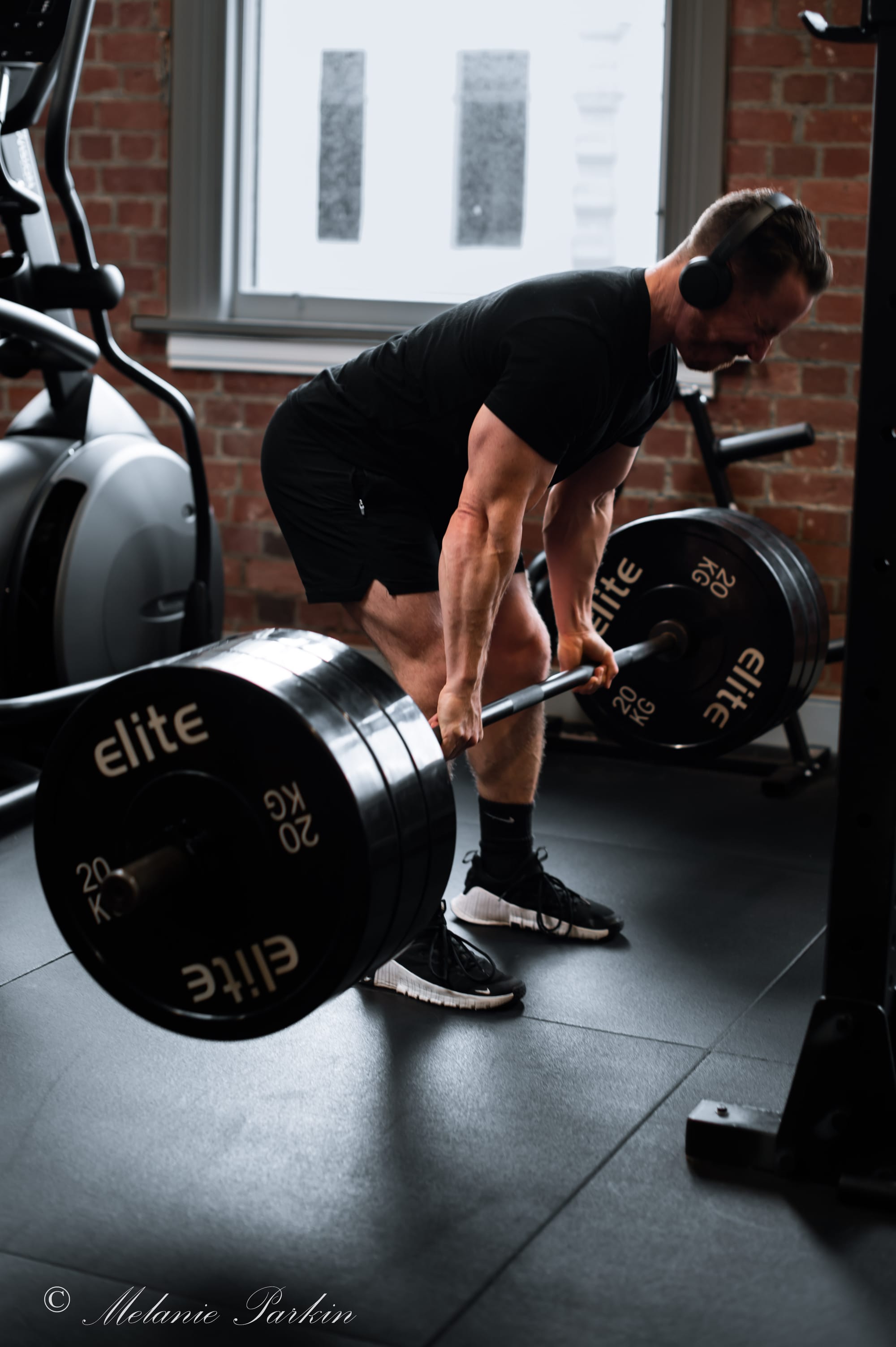
Progressive overload is essentially applying a stimulus your body isn’t fully adapted to, then letting it recover so it grows stronger. This is done, slow and steady. In resistance training, the key adaptations are muscle hypertrophy, where muscle fibers experience microdamage during resistance work and the repair process makes them thicker and stronger. Neural adaptations are also important. Strength gains early in training are often more about your nervous system learning to recruit muscles effectively. This includes better motor unit recruitment, firing rate and coordination. Progressive loading also strengthens tendons, ligaments and bones, therefore reducing injury risk. In short, strength isn’t just muscles, it’s your brain, nerves, joints and confidence all learning to work together.
Progress can also come in many forms. It might be improving mechanics, discovering a new range of motion, performing a variation of the same exercise, changing training tempo, or even adjusting your mindset going into a session. It’s also important to note that it’s not realistic to always progress. Life happens, and taking into account biopsychosocial factors, sometimes just showing up is enough.
I also want to touch on something I think is overhyped in the fitness industry. The obsession with “perfect form.” Research shows that as long as you follow progressive overload, form is far less critical than people think. Slowly increasing weight over time, even if a lift involves a slightly rounded lower back during a deadlift, does not inherently increase injury risk compared to someone lifting with a textbook neutral spine. We saw this in our powerlifting competition, where many of the top lifters flexed their lower backs or moved through “sticky” ranges with massive weights, and no injuries were observed. Megan and I actually laughed at some of the internet trolls critiquing Olympic athletes’ form. These are the top athletes in the world, literally performing at the highest level!
For a great summary, check out this video from physio and strength and conditioning coach Adam Meakins, who explains it perfectly. Progressive overload is about building strength, confidence, and resilience over time. It’s science-backed, versatile, and applicable to everyone, whether you’re lifting heavy, improving technique, or just learning to trust your body. Also, what seems unattainable and scary now, may just be your warm-up in the future!
Please watch this video from physio and S & C coach Adam Meankins who sums it up perfectly.