
Gains and Brains: Knees and Toes
Happy Saturday, friends! Megan here, continuing with our little injury series.
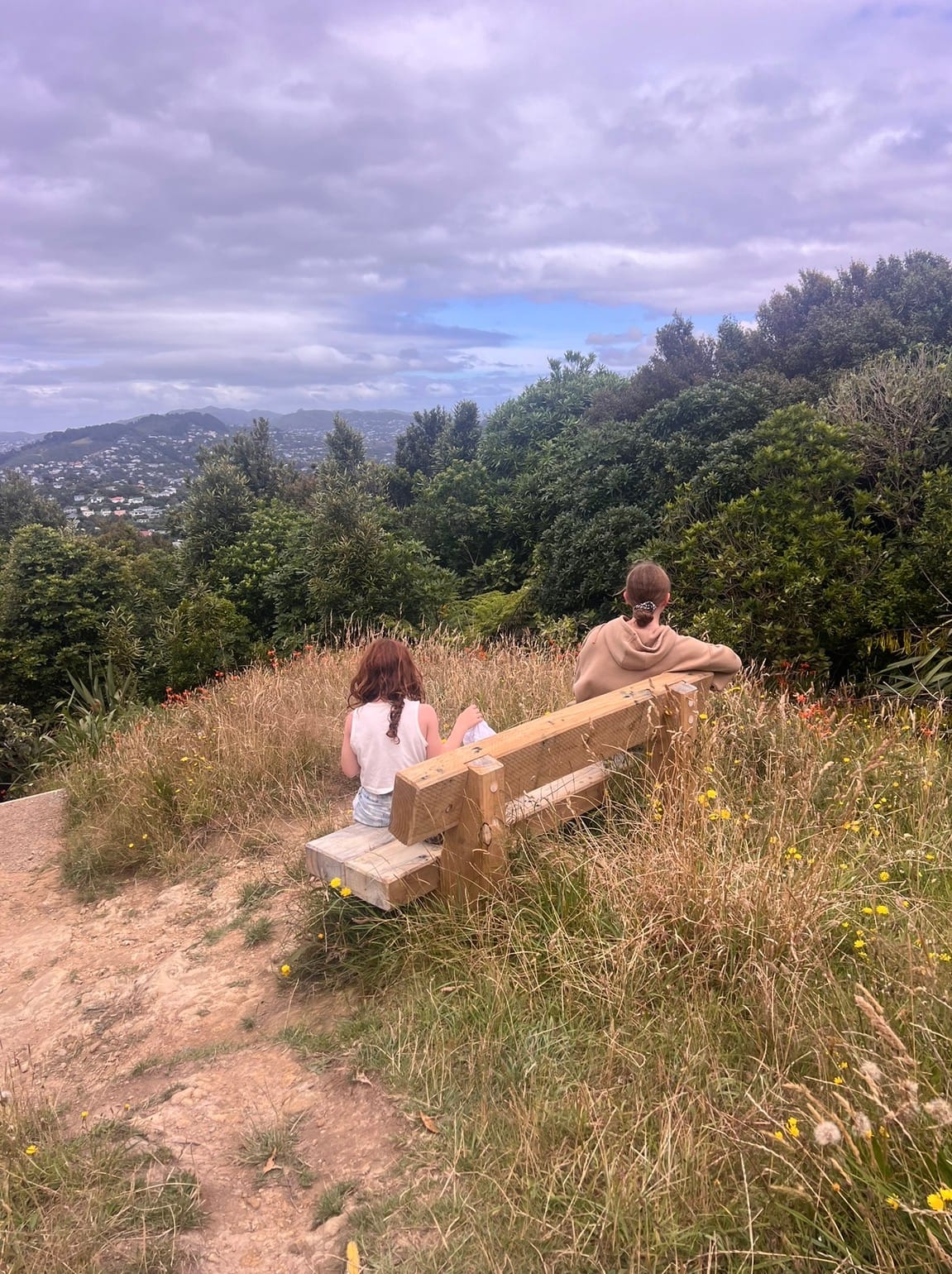
One day after Christmas, I was hanging out at the beach. The weather was awful, and we had timed it very poorly, arriving just as the tide was heading out, with a really strong pull. Standing in the shallows, long trenches appeared in front of my feet as the sand was sucked away by the outgoing waves.
“I don’t want to go out very deep in this,” I thought to myself. “If I fall down, I’m not 100% sure I can get back up quickly enough not to be pulled out further than is safe.”
Y’all. I hate this feeling.

The niggle in my knee I had when we started the Torque training slowly - slow enough that I didn’t really notice - turned into a proper injury. Limping pain when I stood up. The day I went for a walk with my boyfriend and had to send him home for the car because I couldn’t walk anymore.
After a couple of sessions with a physio it’s slowly coming right, and I understand what happened and how to avoid it happening again. I am actually, for the first time in my life, doing my physio exercises.
But it has left me wondering two things.
Firstly: when should I have noticed that the vague pain had morphed into something more serious, more inflammatory, more in need of care? I am pretty good at listening to my body, but it feels like she’s been sending me mixed messages. She’s strong, but also very mad at me for doing too much. How am I supposed to listen when I don’t understand the language?
Amberleigh wrote beautifully last week about the pain of coming back from injury. I will confess to feeling a little bad that I was so convinced if I just kept carrying on, the pain would magically go away.
I’ve written elsewhere about the disconnection I had from my body for a long time. Long story short, it was born of trauma, social conditioning, and neglect. But my knee made me wonder: when do we stop trusting our bodies, as adults? It can’t just be that I didn’t want to know about my body - it happened earlier than that.

As a kid, I jumped and fell and threw and ran and spun, and then somewhere along the way, I stopped trusting that my body would catch me. And so, instead of jumping the last couple of stairs, I gingerly step down them.
Weightlifting gave me back that trust. It helped me understand what she’s capable of, and to have faith that she will catch me. Losing that trust - even though I know it’s temporary - feels like a giant step back.
I know Carl is going to tell me that I can trust the process, I can trust my physio and my coach, and I can trust myself to do the work. And all of that is true. But it’s still frustrating.
So here’s what I am holding on to.
Even when I was waking up and dreading getting out of bed, because I knew that standing up was going to hurt, I was still making time to get to the gym, or walk, or foam-roll my hamstrings.
If I can’t trust my knee, I feel like after five years, maybe I finally actually trust myself?
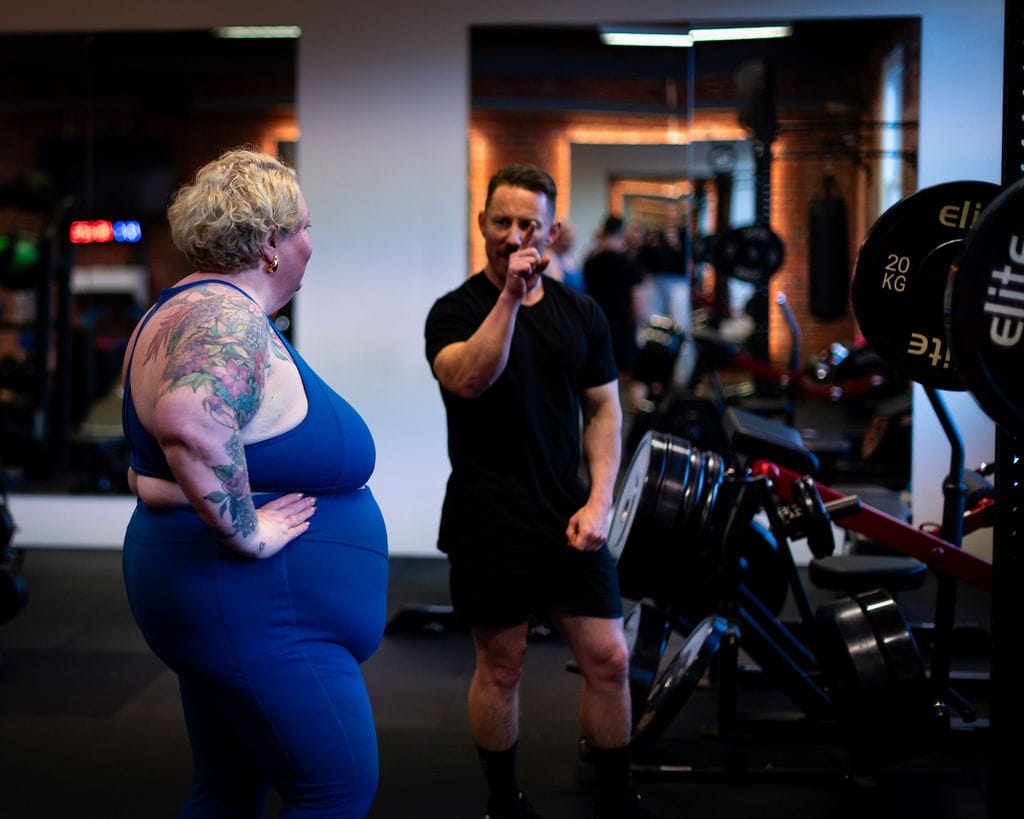
Carl here.
This is so raw, real, and vulnerable. And you’re right, it’s easy to say trust the process, trust your physio, trust your coach, trust yourself. But living inside the process, especially when pain is unpredictable, is deeply frustrating. Also, one of my beliefs is that exercise helps us trust our bodies in various situations. I want to be able to wander the cobblestone streets when I travel, carry my child up an incline at the zoo, be useful in an emergency or hang out at the beach and play in the waves without hesitation. So when that's taken away, it hurts (mentally/emotionally).
When does pain become injury is such a good question, and honestly, one that modern science has possibly complicated rather than simplified (for now).
One of the most important things we now know is that pain intensity correlates poorly with tissue damage, particularly in areas like knees, backs, and shoulders. Large imaging studies show that a significant percentage of people with no pain at all have clear “structural issues” on scans. For example, MRI studies consistently find cartilage degeneration, disc bulges, and tendon changes in pain-free adults, with prevalence increasing with age. In knees specifically, more than half of people over 40 show osteoarthritic changes on imaging without symptoms.
On the flip side, people can experience significant pain with little or no observable tissue damage. This is because pain is not a direct output of tissues, it is an output of the nervous system. It is influenced by load, fatigue, stress, sleep, previous injury, mood, fear, and context. The brain is constantly asking one question: is this safe enough right now?
That’s where it gets confusing. Pain can lag behind tissue irritation, meaning you feel fine while load tolerance is quietly being exceeded. Pain can also spike without new damage, especially when the nervous system is sensitised. This is why non-linear recovery is the norm, not the exception. Feeling worse does not automatically mean you are doing harm, and feeling better does not always mean the tissue is fully ready.
To add to that complexity, around 60 to 80 percent of physically active adults report training with pain at any given time. Most of these people are not injured in the traditional sense. They are navigating fluctuating load/tissue capacity. Bodies are adaptable, but adaptation requires the right dose, not just more effort.
So how do you listen when the messages feel mixed?
One useful tool is shifting from listening only to pain, and instead listening to patterns. Pain that settles within 24 to 48 hours, stays local, and doesn’t progressively worsen is often a signal of load sensitivity rather than injury. Pain that escalates session to session, changes how you move, affects sleep, or comes with swelling, heat, or loss of function is more likely a sign that the system needs support and modification.
Another tool is tracking tolerance rather than pain alone. What can you do today compared to last week. Can you stand up more easily. Walk further before symptoms rise. Recover faster after activity. These are often better indicators of progress than whether something hurts in the moment.
There’s also the psychological layer, which you touched on beautifully Megan. Many adults stop trusting their bodies long before pain ever shows up. Research on motor behaviour and injury shows that fear of movement, often learned socially rather than through direct injury, can reduce confidence, coordination, and variability. We move less freely, less playfully, and with more caution. That caution can be protective in the short term, but over time it can narrow what the nervous system perceives as safe.
Strength training often restores that trust because it provides clear feedback. You load something, you survive it, you adapt. That builds self-efficacy, which is one of the strongest predictors of long-term physical and mental resilience. To me, this also highlights the importance of movement diversity, and challenging new patterns. Yes its important to have consistency in patterns, but its also important to have that diversity to help you feel confident in different arenas.
So losing that trust, even temporarily, can feel like a big step backwards. But here’s the part I want to underline.
You kept showing up. Even when standing hurts. Even when mornings were hard. You didn’t abandon your body, you stayed in relationship with it. Walking, foam rolling, modifying, still choosing movement. That matters more than perfect decisions.
There’s good evidence that people who maintain some form of meaningful movement during injury recover better, both physically and psychologically, than those who fully disengage. Not because they push through pain, but because they preserve identity, routine, and agency. There are also systemic benefits from regular movement. A saying I use often (and can interpret however you like) is “motion is the lotion”. Meaning, movement in itself is a medicine. A coach will help you find how much and what sport is best for you at this moment in time.
So yes, trust the process. Trust your physio and coach. But maybe more importantly, notice that you trusted yourself enough to keep caring.
If you can’t trust your knee right now, that’s okay. But after five years of rebuilding connection, listening, adjusting, and staying present, it really does sound like you trust yourself. And that is a foundation that injury can shake, but it won't take it away if you are consistent.
In summary:
- Pain does not = injury severity
- Keep moving - motion is the lotion
- Find the right type and amount for you - perhaps let a coach guide this
- If you're showing up for yourself, trust isn't diminished
- Also know that there are many levers to pull, your team can help with this. Meaning exercise type, dose, timing. Other lifestyle factors such as, stress, sleep, nutrition, hydration and even play/social connection.
Cool shit we saw this week
According to the Guardian, chasing soreness is vibes-based fitness; getting strong is just boring, repeatable physics.
Wouldn't it be great if there were more doctors like this?
"'Pick a program that you enjoy, do it consistently. You still need to train hard. You can't avoid it,' he says. 'But other than that, you have a lot of freedom.'"
"Just like muscles, the brain has limits. It does not get stronger from endless strain. Real growth comes from the right balance of challenge and recovery."