Six reps is too many reps
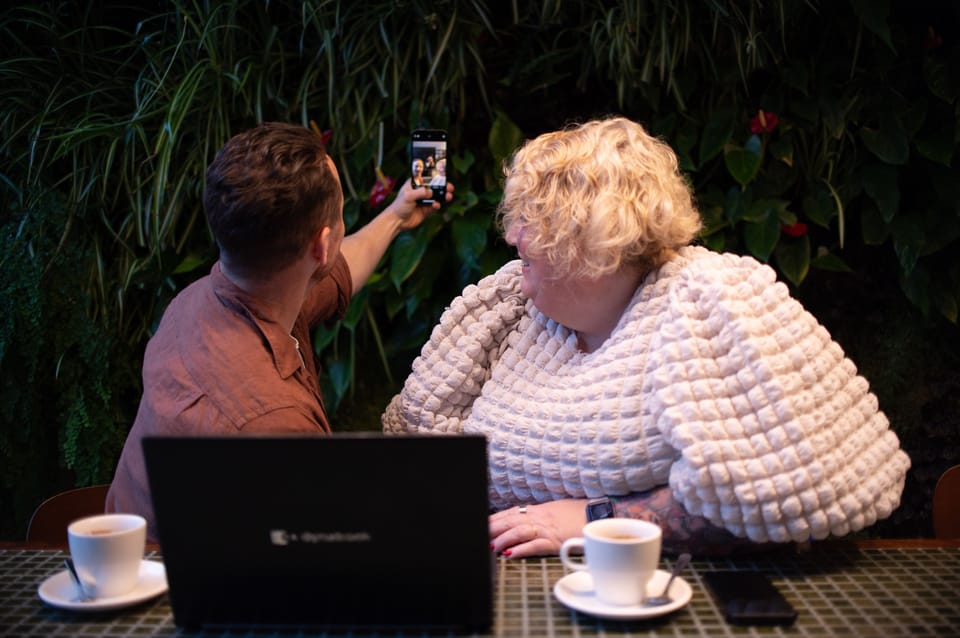
Morena! Happy Saturday. Megan here sore, possibly broken, but still showing up. Superpowers are overrated anyway.
Things I would like to do right now: curl up in the foetal position and rock, moaning quietly. Eat my body weight in carbonara. Lie in a warm pool, letting the water carry me. Rage at Carl and his BULGARIAN SPLIT SQUAT JUMPS.
Things I would not like to do now: anything that involves bending my knees, or lifting my arms above my shoulder.
Things I kind of want to do right now, but won’t: Quit.
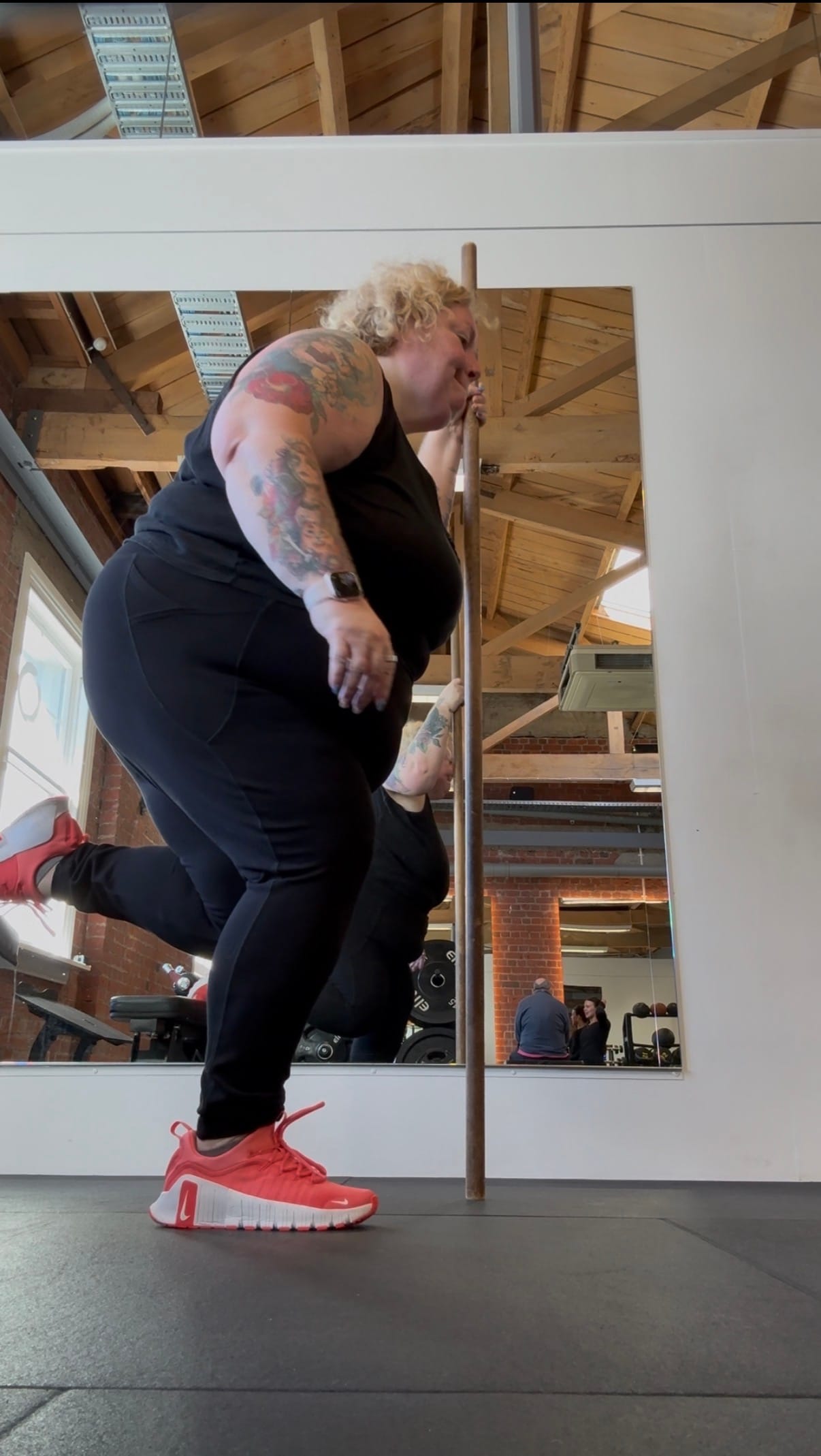
We’re deep into week one of Carl’s superhero programme. When I arrived at the gym on Thursday, ready to do the first Power session, I was feeling pretty good. Here’s what it looks like:
- Leg Swings for 30 seconds, both forward and lateral
- Pogo hops for 30 seconds
- Double Leg Bounds (3 sets of 6)
- Bulgarian Split Squat Jumps (3 sets of 6)
- Landmine Single Arm Push Press (3 sets of 6)
- Barbell Clean High Pull (3 sets of 6)
- Ball Power Press (3 sets of 6)
When I was about to start I said to Carl “Only 6 reps??” And he, completely poker-faced said “yep. Concentrate on making them good reps.)
It turns out 6 is a lot. Maybe too many. Maybe an insane amount of reps. Maybe no human being should ever have to do that many reps. Even when the jumps are about an inch off the ground.
And then, because in the programme in a few weeks, I have to do a core class each week, I thought “I’ll do pilates as well, for some extra credit.” Somehow, the pilates class also involved both lunges and split squats, and, as ever, managed to make me feel like there is not even one little muscle between my chest and my thighs.
I am sore. After my power session, I sat at the cafe over the road from the gym and had a coffee. Lifting my iced long black up to sip it made me wince. Apparently shoulders are somehow involved in a push press.
I don’t get DOMS (delayed onset muscle soreness) much anymore. I take recovery pretty seriously - because recovery is where the muscle actually grows. I rest, eat my protein, drink my water. I’m not perfect, but I try. But I figure I am going to be pretty sore for the next few weeks. Because we’re asking my body to do a bunch of things it either has never done, or it hasn’t done for a long time.
Since I started lifting, I’ve been seeing my physio more regularly. Every time, I say something along the lines of “I don’t know if this is an actual injury, or just a 47-year-old woman who lifts thing.” His answer is usually “could also be both.”
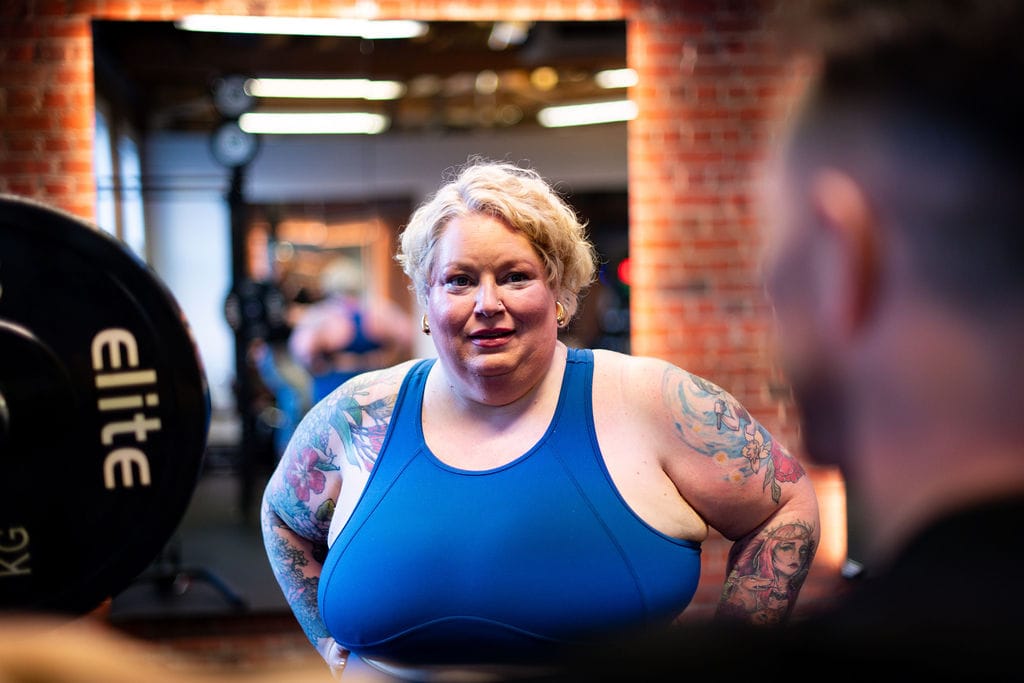
My knee is injured currently, and it’s frustrating, but I can do the rehab, and I know that moving it helps. My hips and ankles are pretty sticky, and I know that the mobility is helping, even though it hurts to do.
Hurting is OK: I’ve been thinking a lot about the connection between pain and progress. I am asking a lot of my body right now, and this is where growth comes. As I sit and write this, my glutes are reminding me that I worked hard (and that they might stage a coup). That ache is a little satisfying - not just because I know how hard I worked, but because it’s proof that my body can still learn new things, I can still build more and more.
As fun as trying to become a superhero is, I am grounded in the real world. I can’t fly, there is no super serum (except maybe creatine), and the only magic I know is the friendship between women. But maybe Torque’s superpower is keeping showing up - even when it hurts.
But not all pain is OK. So, Carl, how do we recognise the difference between the good and the bad kind?
Carl here.
First off, well done, Megan. You’re doing the hard yards, and your glute rebellion is a sign of progress.
Let’s talk about pain. Because while soreness can be a badge of honour, not all pain deserves a medal. On the flipside, most pain isn't serious, so it's important to understand it, get help from a professional, and follow a smart rehab plan if necessary.
It's also important to note that niggles are a part of the fitness process. Niggles will happen whether you are active or not, and with good guidance and understanding, will not hinder results for long at all. You may as well be strong, fit, happy, mobile and live longer with the odd niggle, than not have these things with pain anyway!
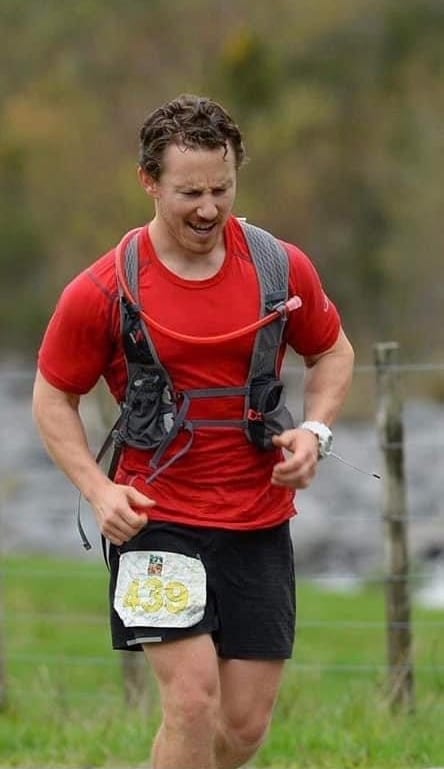
What is pain anyway?
Pain is just information or a signal from your brain, like an alarm system. When your brain thinks your body is under threat, it sends a signal that prompts us to act, like pulling your hand away from a fire.
But here’s the key part: Pain does not always equal damage, and damage does not always equal pain.
For example, you can have a small tissue injury (like a cut or bruise) with very little pain. Or, you can have ongoing pain (like chronic back pain) even when tissues are healthy and strong.
That’s because pain depends on how your brain interprets all the information it’s getting, not just from your body, but also from your environment, your stress levels, your emotions, your sleep, your expectations, and your past experiences.
Scientists call this the biopsychosocial model of pain:
- Bio: what’s happening in the tissues (inflammation, strain, injury).
- Psycho: your thoughts, beliefs, mood, and focus.
- Social: the context around you: support, stress, relationships, work, environment.
All these factors combine to help your brain decide whether something feels ‘safe’ or ‘threatening.’ The more threats your brain perceives, the louder the pain alarm.
Now, we will come back to this soon, but let's explore the different types of pain, what's good, ok and not so good.
The “Good” Kind: DOMS
That deep, dull ache that shows up 24–72 hours after a new or intense workout? The pain that makes you dread sitting on the toilet or embarking on the journey up or down any type of undulation. That’s Delayed Onset Muscle Soreness (DOMS). It’s your body’s way of saying, “Hey, that was new!”
It’s a normal part of the adaptation process and tends to fade as your body gets used to the movement. DOMS isn’t damage, it’s the body learning and rebuilding stronger. You don’t need to fear it, but you don’t need to chase it either.
Here’s what’s happening:
- When you challenge your muscles in a way they’re not used to, especially during eccentric movements (where the muscle lengthens under load, like lowering in a squat or the downward phase of a lunge), you create tiny, microscopic disruptions in muscle fibres and connective tissue.
- This triggers an inflammatory and repair response, which makes the area more sensitive for 24–72 hours.
- As your body adapts, it reinforces those tissues, making them stronger and more resilient next time.
That’s why DOMS tends to be worse when you start a new programme or do something different, but it settles as your body gets used to the movement.
If your soreness feels muscular, symmetrical (both sides), and eases after a couple of days, that’s a green light. Keep training, just maybe ease off the Bulgarian split squat jumps for a moment if sitting down is a multi-step process.
A few important truths about DOMS:
- It’s not a reliable indicator of how effective your workout was, you can make huge progress with little or no soreness.
- Heat, gentle movement, hydration, and sleep all help ease symptoms.
- As your training consistency improves, DOMS decreases, not because you’re working less hard, but because your body is becoming more adapted.
- Pain ≠ damage, this sort of soreness means adaptation, not injury.
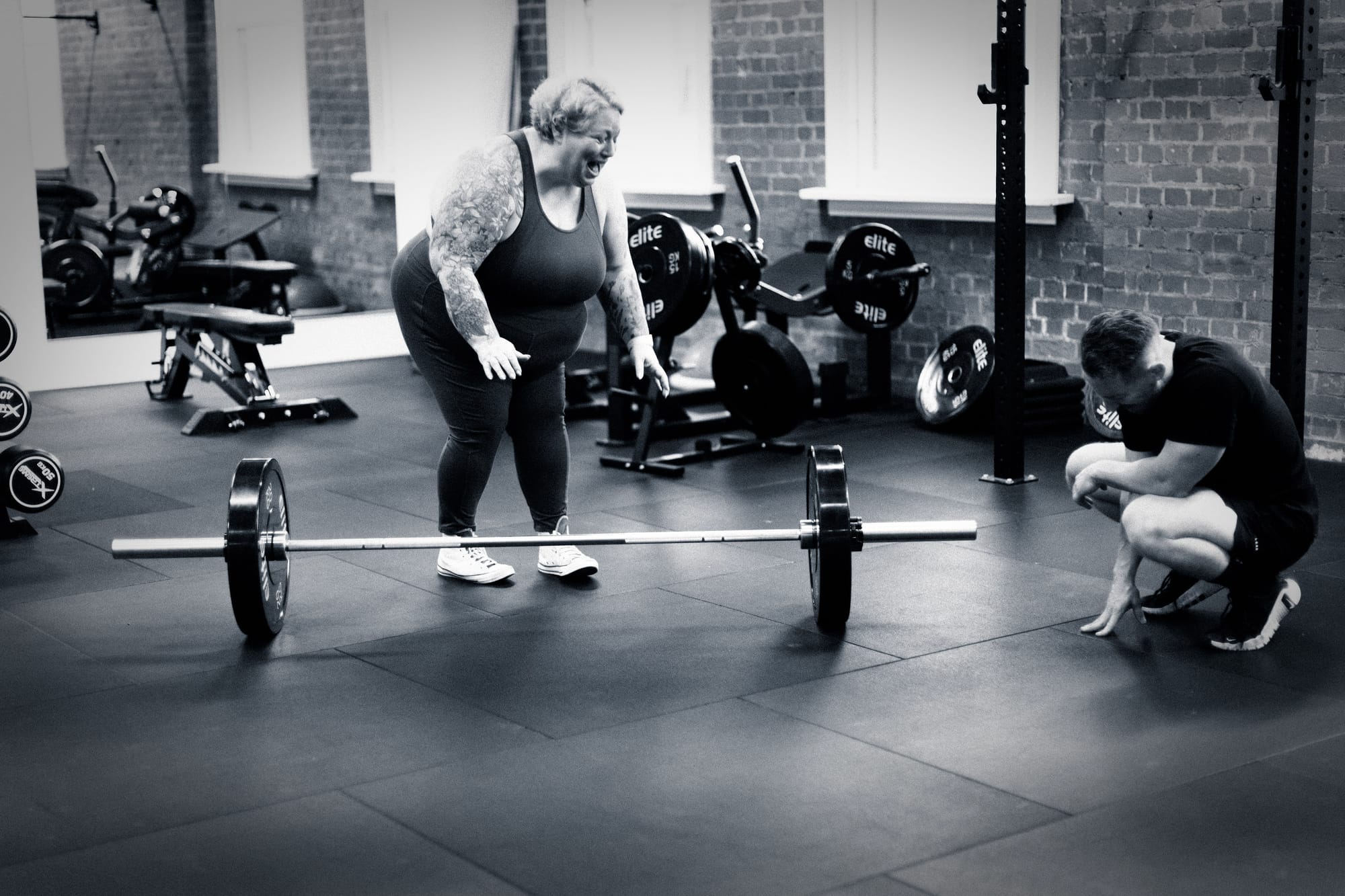
The “Hmm, Let’s Check That” Kind
If pain lingers beyond a few days, changes how you move, or worsens each session, it’s time for a little detective work. This is where it is worth booking an initial session with a physiotherapist. They understand the different types of pain, the many factors that influence it, and will give you a plan to move forward. A good physio will also understand your goals and put them in the context of your life to make it something realistic and that inspires you.
The “Not-So-Good” Kind: Injury or Irritation
Acute pain often comes from a specific event, a strain, twist, or overload, and acts as a protective signal while tissues heal. That’s when we use good rehab principles: relative rest, gradual reloading, and not avoiding movement entirely (because movement, in the right dose, helps healing). This should be guided by a professional such as a physiotherapist.
Chronic or persistent pain, on the other hand, can hang around even when tissues are fine. This is where the above-mentioned Biopsychosocial Model of pain comes in. These factors need to be recognised as well and taken into context. A good physio or even coach will be able to work on these other factors with you to help positively influence your experience.
Pain scientists Butler and Moseley, in their book Explain Pain, talk about something really simple but powerful: shifting DIMS → SIMS.
That stands for:
- DIMS – Danger In Me Signals
- SIMS – Safety In Me Signals
Here’s the idea:
Your brain is constantly scanning for evidence of danger or safety. From your body, your environment, your thoughts, and even the people around you. If it senses more danger than safety, it turns the pain volume up. If it senses more safety than danger, it turns the pain volume down.
It’s your brain’s protective system doing its job, but sometimes it’s a bit overprotective.
Examples:
DIMS (Danger signals):
- Stress, poor sleep, or exhaustion
- Fear of movement (“I’ll make it worse if I train”)
- Negative self-talk (“My back is ruined”)
- Conflict, isolation, or feeling unsupported
- Unfamiliar or high-pressure situations
SIMS (Safety signals):
- Supportive environment (coach, physio, friends)
- Calm, confident self-talk (“My body is strong and adaptable”)
- Moving and loading within comfortable limits
- Good sleep, nutrition, and recovery
- Laughter, connection, sunlight, and feeling capable
When we intentionally add more SIMS and reduce DIMS (or turn DIMS into SIMS), we help calm the nervous system, build confidence in movement, and create the conditions for healing.
In practice:
Instead of focusing only on what’s wrong (“I’m broken”), focus on what’s safe, strong, and working well (“My body knows how to recover”). It’s not ignoring pain, it’s reframing it in a way that supports healing rather than fear.
So when you’re sore, tired, or frustrated, remember: every small act of care, movement, or connection is a SIM, a vote for safety, confidence, and progress.
The Secret Sauce: Smart Training & Recovery
The best way to stay on the right side of pain is a well-designed, progressive training plan. one that challenges your body but also gives it time to adapt. That means:
- Gradual progressive overload (no big jumps in load or volume).
- Balancing stress and recovery. Sleep, nutrition, and rest are part of the plan, not extras.
- Personalisation. Your training has to fit your life, not fight against it. The more your coach knows about the full context of your life, the more they can personalise it to you.
And remember: showing up matters more than smashing yourself. Progress doesn’t come from perfection, it comes from consistency, patience, and knowing when to push and when to pull back.
In summary:
- Mild soreness = part of the process.
- DOMS can be part of the process, but not essential for results
- Lingering or sharp pain = seek help & check the load and progression
- Movement is medicine, the right dose makes the difference.
- Understand your life factors and self-talk that may influence your pain experience
- Try to turn DIMS into SIMS
- Niggles are a side effect of being active and the positives far outweigh the negatives
So yes, Megan, you’re sore because you’re adapting, not because you’re broken. (And no, I’m still not taking Bulgarian split squat jumps out of the programme. That’s part of your superhero origin story now.)
Cool shit we saw this week
Participants were sorted by how many days per week they achieved step thresholds at or above 4,000, 5,000, 6,000, or 7,000. Those who got 4,000 steps one or two days per week had 26 percent lower mortality risk and 27 percent lower cardiovascular disease risk compared to those who never hit 4,000 on any day. (Harvard Gazette)
A large study of over 85,000 UK participants found that women who met the recommended amounts of moderate-to-vigorous physical activity had a 22% lower risk of serious heart events, compared with men at 17% lower risk for equivalent activity. What’s more, women achieved comparable cardiovascular benefit with roughly half the duration of activity men needed (250 minutes per week vs ~530 minutes) — suggesting the exercise-heart health relationship appears stronger for women in this dataset. (Time Magazine)
Even modest amounts of physical activity — such as walking or gardening — can significantly reduce depression risk by up to 18% and help manage existing symptoms, largely by releasing mood-related neurotransmitters, activating the endocannabinoid system, boosting neuroplasticity, regulating stress responses and reducing inflammation. (Washington Post gift link)
One for Halloween weekend - scary films can actually be the ideal therapy during anxious times. (BBC)